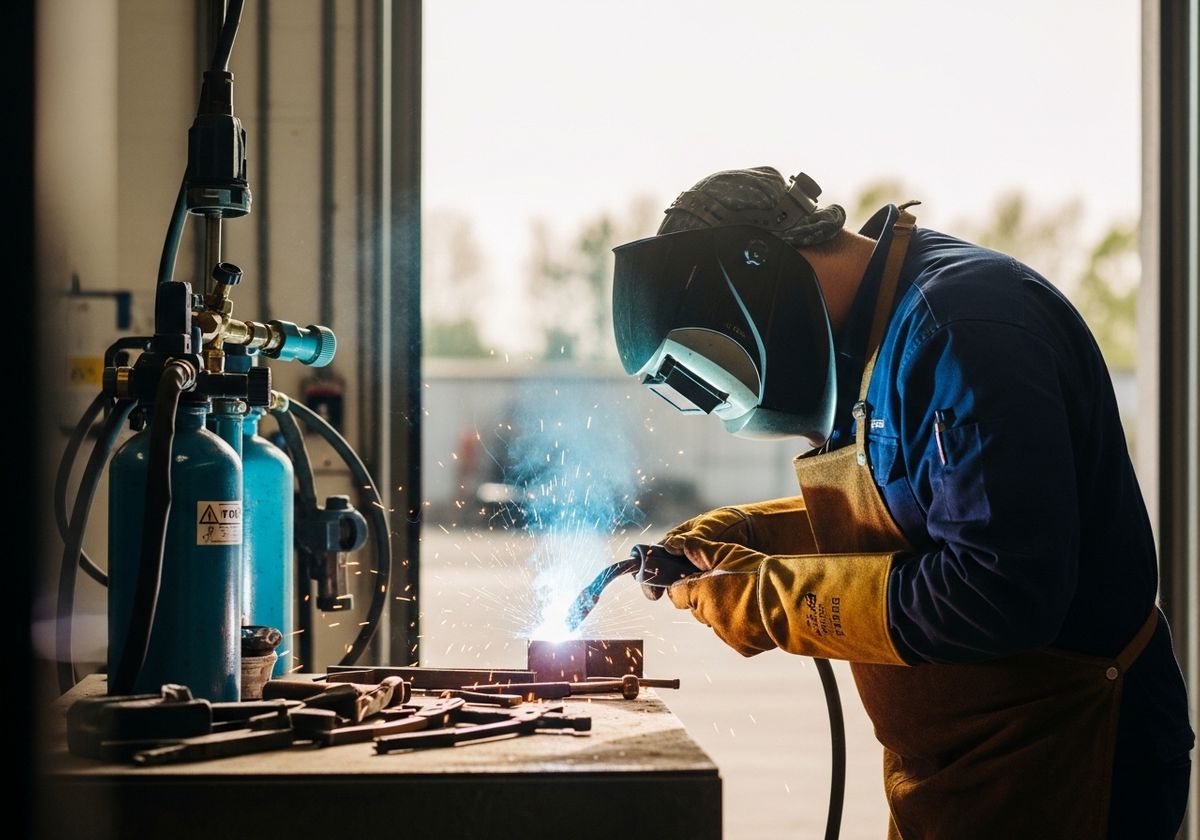
As the seasons change, so do the demands of your welding projects. Spring brings new opportunities for outdoor work and tackling different materials, making it crucial to choose the right welding gases for optimal results. Selecting the appropriate gas can significantly impact weld quality, efficiency, and overall project success. This guide will help you navigate the options and make informed decisions for your spring welding endeavors.
Understanding Welding Gases
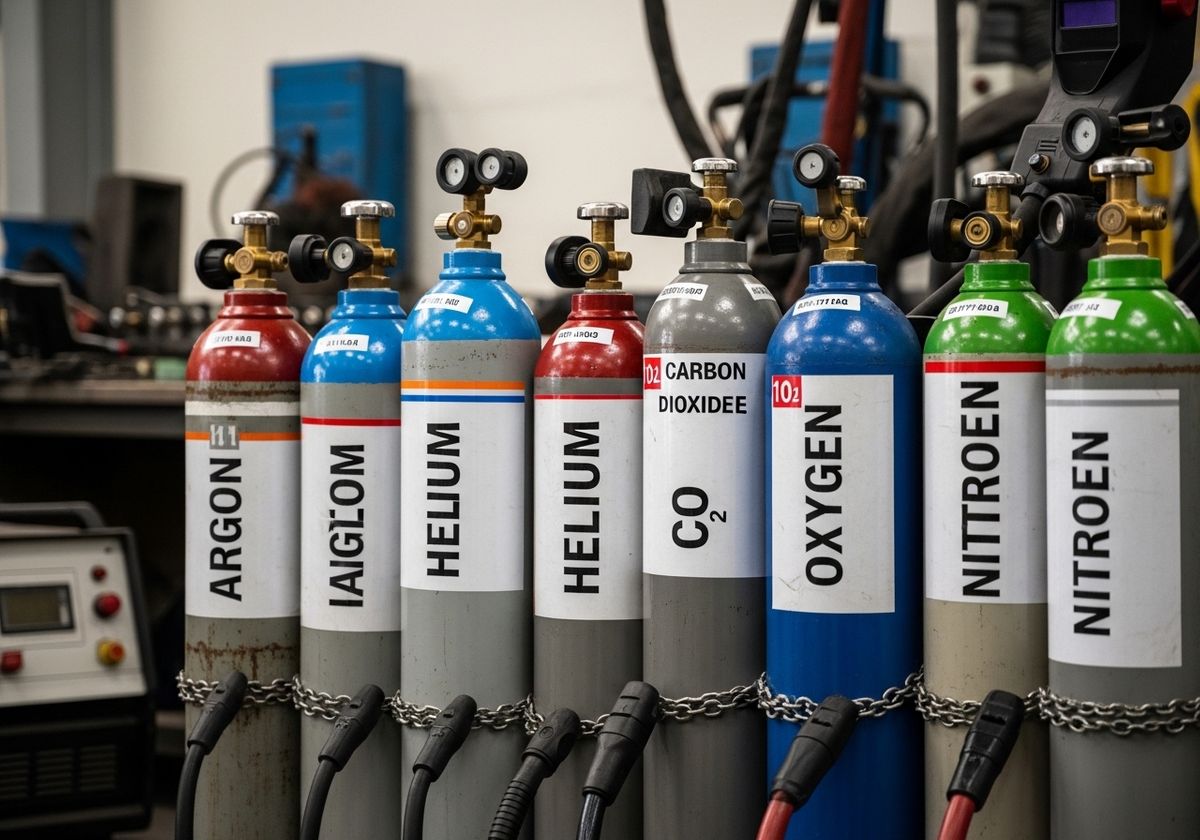
Welding gases play a vital role in shielding the weld area from atmospheric contaminants like oxygen and nitrogen, which can weaken the weld. Different gases offer varying levels of protection and influence the arc characteristics, penetration, and weld bead appearance. Common welding gases include:
Argon: An inert gas widely used for TIG and MIG welding of aluminum, stainless steel, and other non-ferrous metals. It provides a stable arc and clean welds.
Helium: Often mixed with argon to increase heat input and improve penetration, especially in thicker materials. It's commonly used for welding aluminum and copper.
Carbon Dioxide (CO2): A reactive gas that's cost-effective and provides deep penetration. It's commonly used for MIG welding of carbon steel, but can produce more spatter than argon.
Oxygen: Typically mixed with argon or CO2 in small amounts to stabilize the arc and improve weld puddle control in MIG welding of carbon steel.
Nitrogen: Used in specific applications, such as welding duplex stainless steels, to maintain the desired nitrogen content in the weld.
Factors to Consider When Choosing Welding Gases
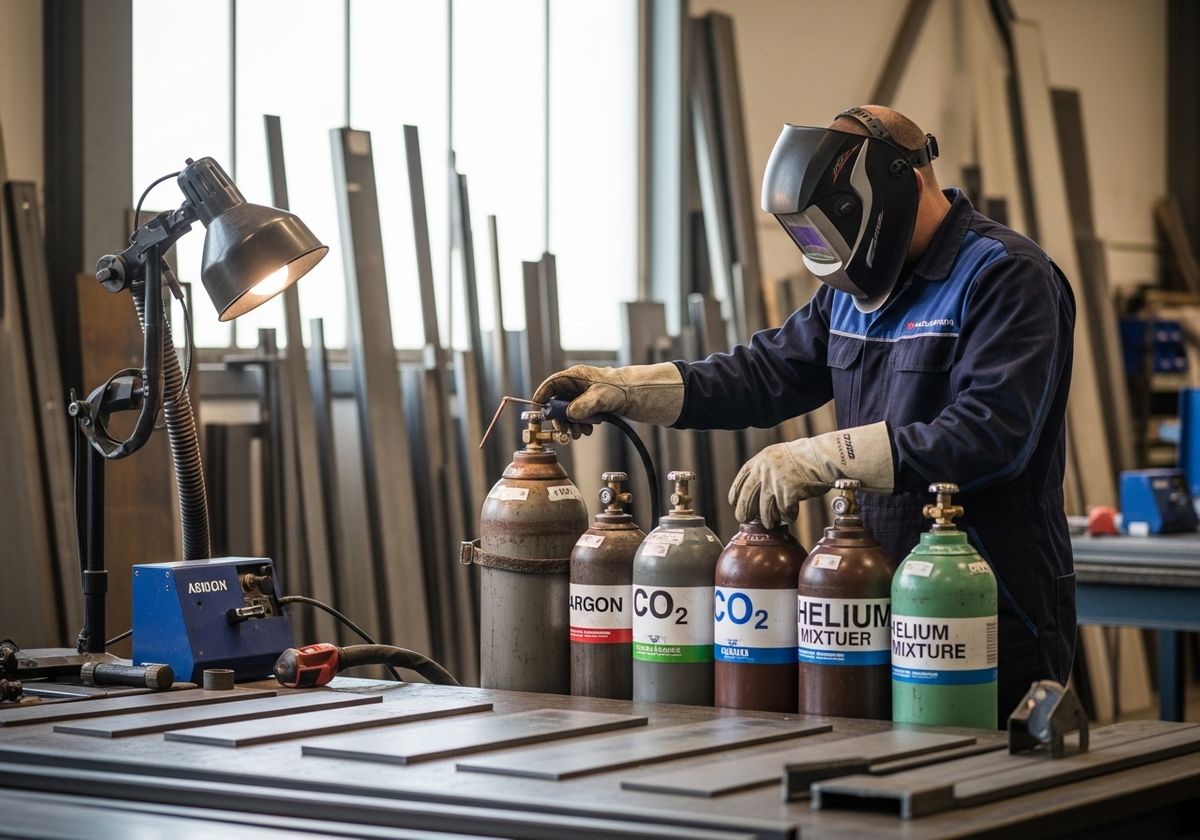
Several factors influence the selection of the right welding gas:
Material Type: Different metals require different shielding gases. For example, aluminum is typically welded with argon or an argon-helium mixture, while carbon steel can be welded with CO2, argon-CO2 mixtures, or argon-oxygen mixtures.
Welding Process: The welding process also dictates the choice of gas. TIG welding typically uses argon or argon-helium mixtures, while MIG welding offers a wider range of gas options.
Thickness of Material: Thicker materials may require gases with higher heat input, such as helium mixtures, to achieve adequate penetration.
Desired Weld Quality: The desired weld appearance, strength, and ductility will influence the gas selection. Argon-rich mixtures generally produce cleaner, higher-quality welds.
Welding Environment: Outdoor welding may require gases that are less sensitive to wind and drafts.
Choosing the Right Gas for Common Spring Projects
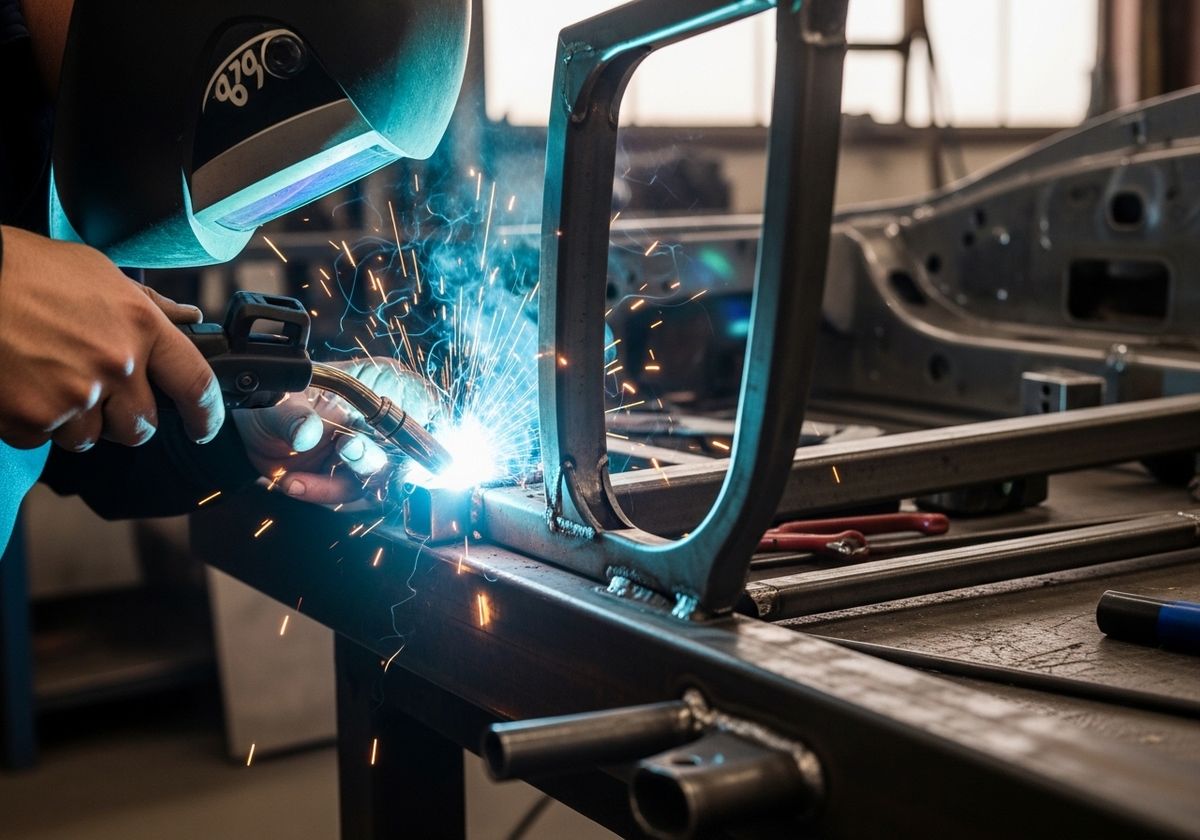
Automotive Repair: For repairing car frames and body panels, a blend of argon and CO2 is often used. This mixture provides a good balance of penetration, arc stability, and cost-effectiveness.
Outdoor Furniture: When welding aluminum or stainless steel furniture, argon is the preferred choice. It provides a clean, aesthetically pleasing weld.
General Fabrication: For general-purpose steel fabrication, a mixture of argon and CO2 can be used. The ratio of argon to CO2 can be adjusted to fine-tune the arc characteristics and penetration.
Choosing the right welding gases is essential for achieving optimal results in your spring welding projects. By understanding the properties of different gases and considering the factors outlined above, you can make informed decisions that improve weld quality, efficiency, and safety. If you're still unsure which gas is best for your specific application, our experts at Comp Air Gases are here to help. We offer a wide selection of high-quality welding gases and equipment, along with expert advice to ensure you have everything you need to succeed. Contact us today or visit our welding supply store to learn more about our products and services.