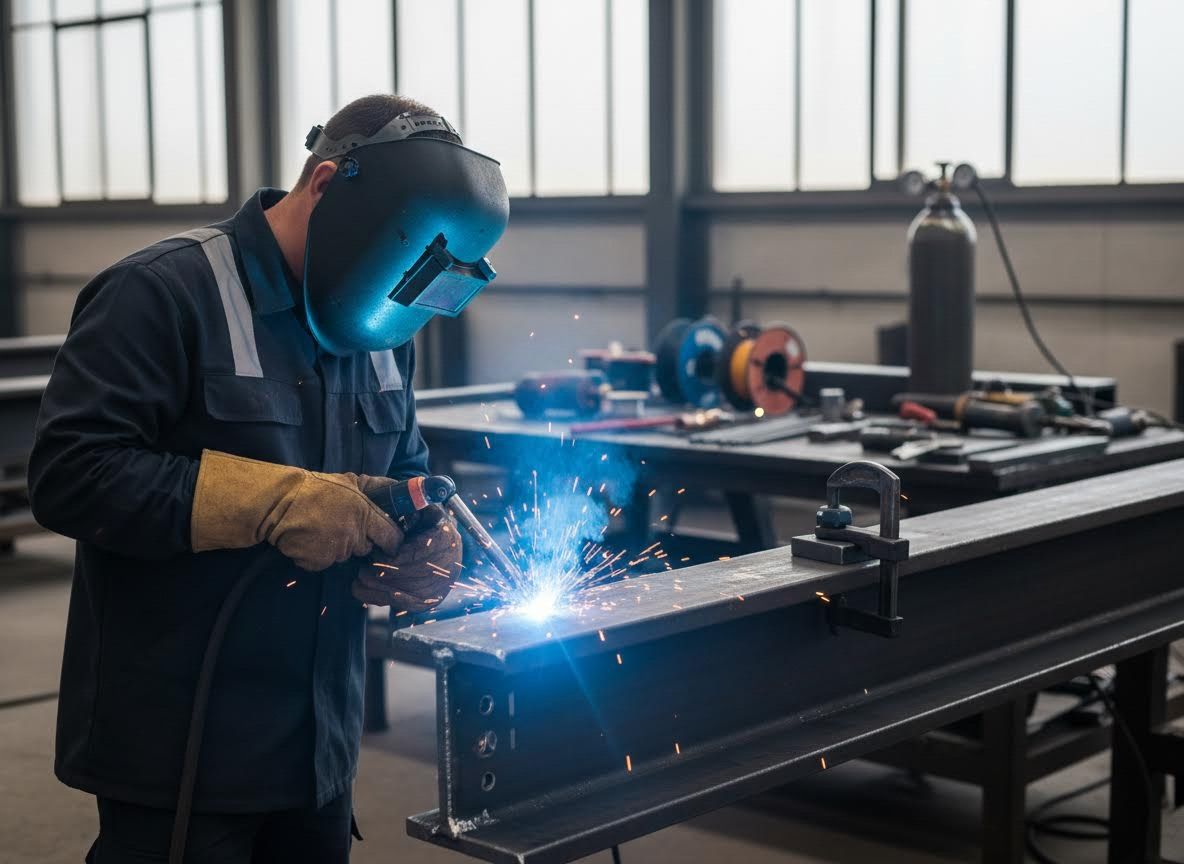
When tackling projects that involve high-strength structural steel, precision and material knowledge are not just beneficial; they are essential. This advanced material, widely used in critical infrastructure and heavy-duty applications, demands a meticulous approach to welding to ensure structural integrity and longevity. Selecting the correct welding supplies is paramount to achieving successful, durable welds. At Comp Air Gases, we understand the nuances involved and are here to guide you through the choices that will optimize your results when working with these demanding alloys.
Understanding High-Strength Structural Steel (HSS)
High-strength structural steel encompasses a range of alloy steels engineered to provide superior strength-to-weight ratios compared to conventional carbon steels. These materials are critical for constructing bridges, high-rise buildings, heavy machinery, and transportation vehicles, where reduced weight and increased load-bearing capacity are vital. Their enhanced mechanical properties, such as higher tensile and yield strengths, often stem from specific alloying elements and controlled rolling or heat-treatment processes. This unique metallurgical composition means that HSS reacts differently during welding, requiring careful consideration to avoid issues like hydrogen embrittlement, cold cracking, or excessive softening in the heat-affected zone.
Selecting the Right Filler Metals and Welding Processes
The choice of filler metal is a cornerstone of successful HSS welding. It must be carefully matched to the base material's mechanical properties, including its tensile strength, ductility, and impact toughness, to prevent brittle fractures. For many HSS applications, low-hydrogen consumables are preferred to mitigate the risk of hydrogen-induced cracking. Common welding processes well-suited for HSS include Gas Metal Arc Welding (GMAW), Flux-Cored Arc Welding (FCAW), and Shielded Metal Arc Welding (SMAW), each offering distinct advantages depending on the specific application and welder skill. Regardless of the process, maintaining appropriate preheat and interpass temperatures is crucial for controlling cooling rates and minimizing residual stresses, ensuring the final weld retains the desired properties of the high-strength steel.
The Critical Role of Welding Gas and Shielding
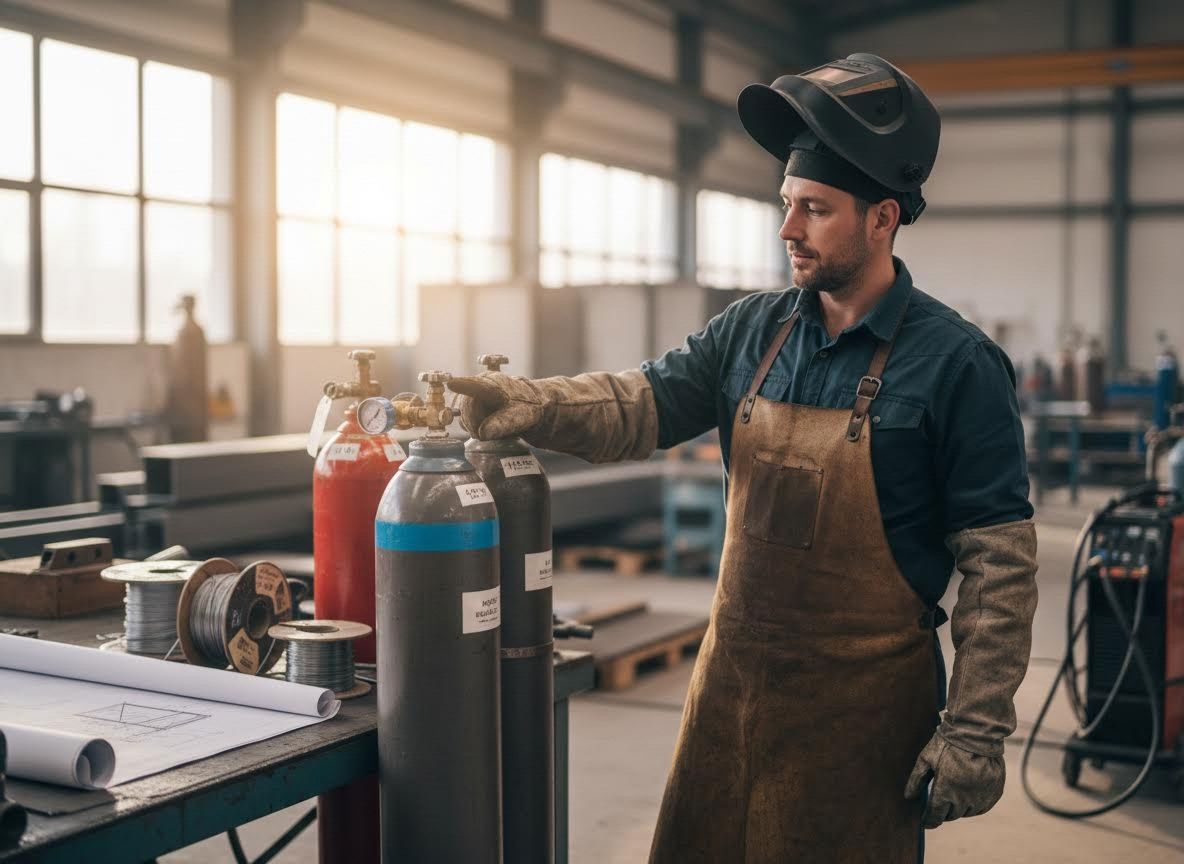
Beyond filler metals, the proper selection of welding gas is indispensable for producing high-quality welds on structural steel. The welding gas plays multiple roles: it protects the molten weld pool from atmospheric contaminants (such as oxygen and nitrogen), helps stabilize the arc, and influences bead shape, penetration, and the filler metal transfer mode. For HSS, common choices include argon-CO2 mixtures, which offer good arc stability and bead appearance, or pure CO2 for deeper penetration, particularly in FCAW. The precise blend of gases in your comprehensive gas solutions directly affects the weld's metallurgical properties, making it a critical factor in achieving the strength and integrity required for high-performance structural applications.
Essential Welding Equipment and Safety Considerations
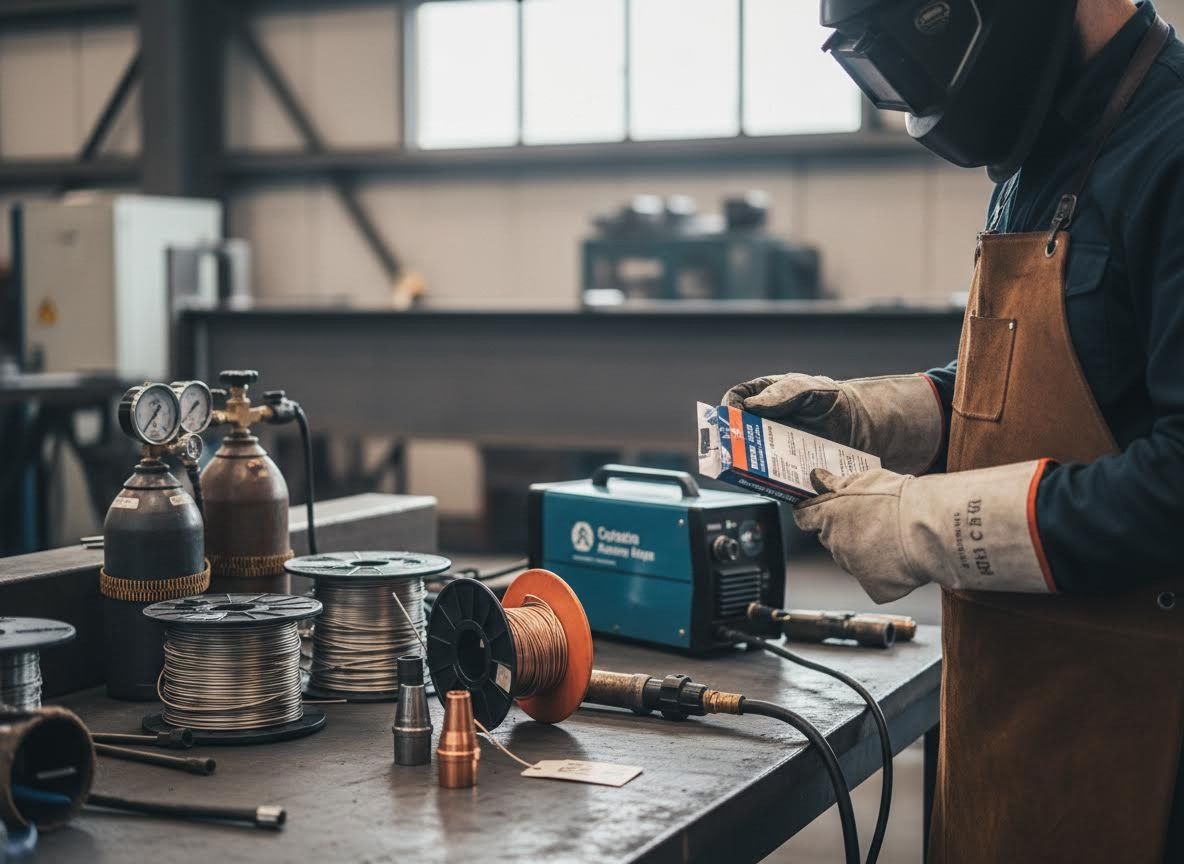
Working with high-strength structural steel also requires robust, reliable welding equipment. Power sources must deliver consistent, precise output, and wire feeders must ensure smooth, uninterrupted wire delivery. Beyond the core machinery, a comprehensive set of welding supplies is crucial. This includes various consumables, quality personal protective equipment (PPE) to ensure welder safety, grinding tools for proper joint preparation and post-weld cleanup, and clamping devices to maintain fit-up accuracy. Proper handling of welding tanks, regular equipment maintenance, and adherence to all safety protocols are not just best practices, but non-negotiable requirements when fabricating critical structures with HSS.
Your Partner for Structural Steel Welding Success
Welding high-strength structural steel is a demanding task that requires the right combination of knowledge, skill, and, critically, the appropriate welding supplies. From selecting the ideal filler metal and welding gas to having the correct welding equipment and adhering to safety standards, every component contributes to the integrity of the final structure. Comp Air Gases is committed to being your reliable partner, offering expert guidance and a wide range of quality products tailored for these challenging applications. To delve deeper into our comprehensive gas solutions and discover the full spectrum of welding supplies we offer, reach out to our knowledgeable team.