Air compressors are indispensable tools for professionals and hobbyists alike, powering a wide array of pneumatic equipment from spray guns to impact wrenches. To ensure these workhorses deliver consistent performance and provide years of reliable service, proactive maintenance is not merely recommended—it is absolutely essential. At Comp Air Gases, we recognize the value of dependable equipment and are dedicated to empowering our community with the knowledge needed to maintain their tools effectively. This guide outlines crucial steps to extend the operational life of your air compressor.
The Critical Role of Draining Condensation
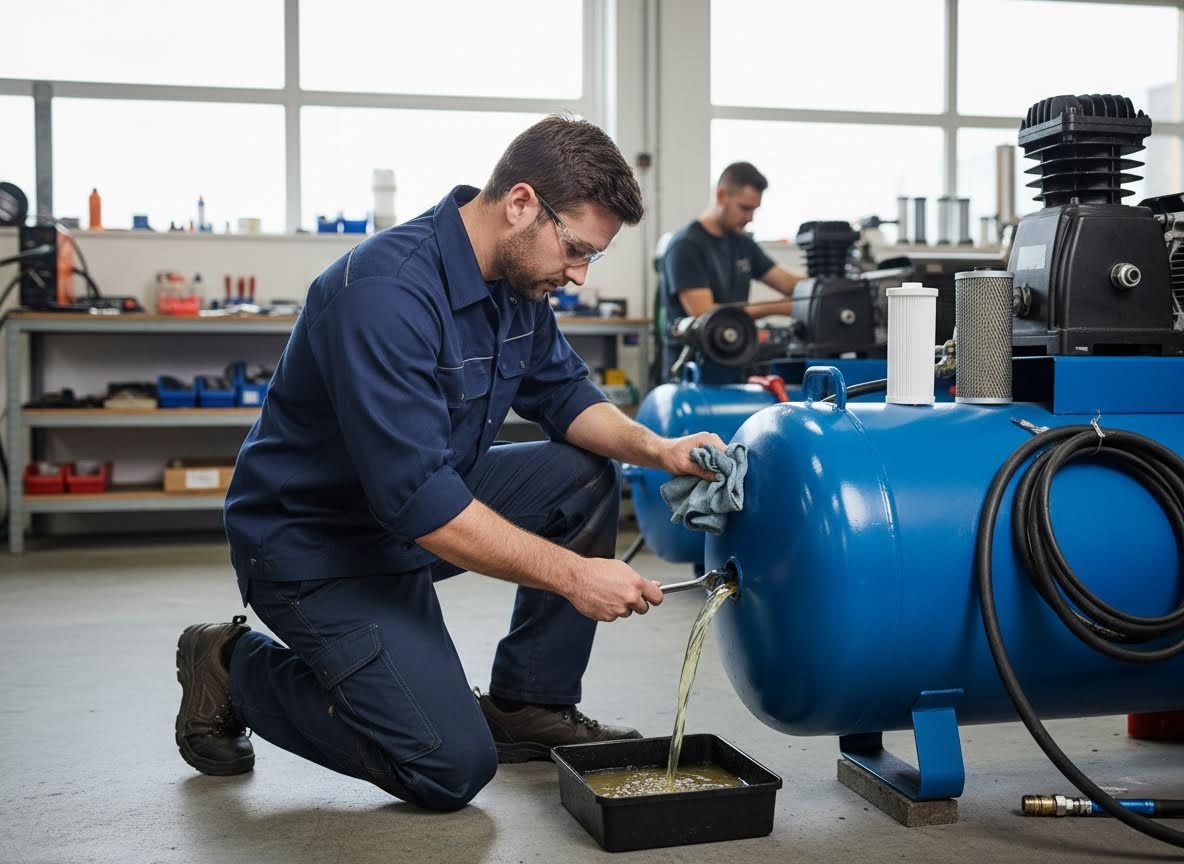
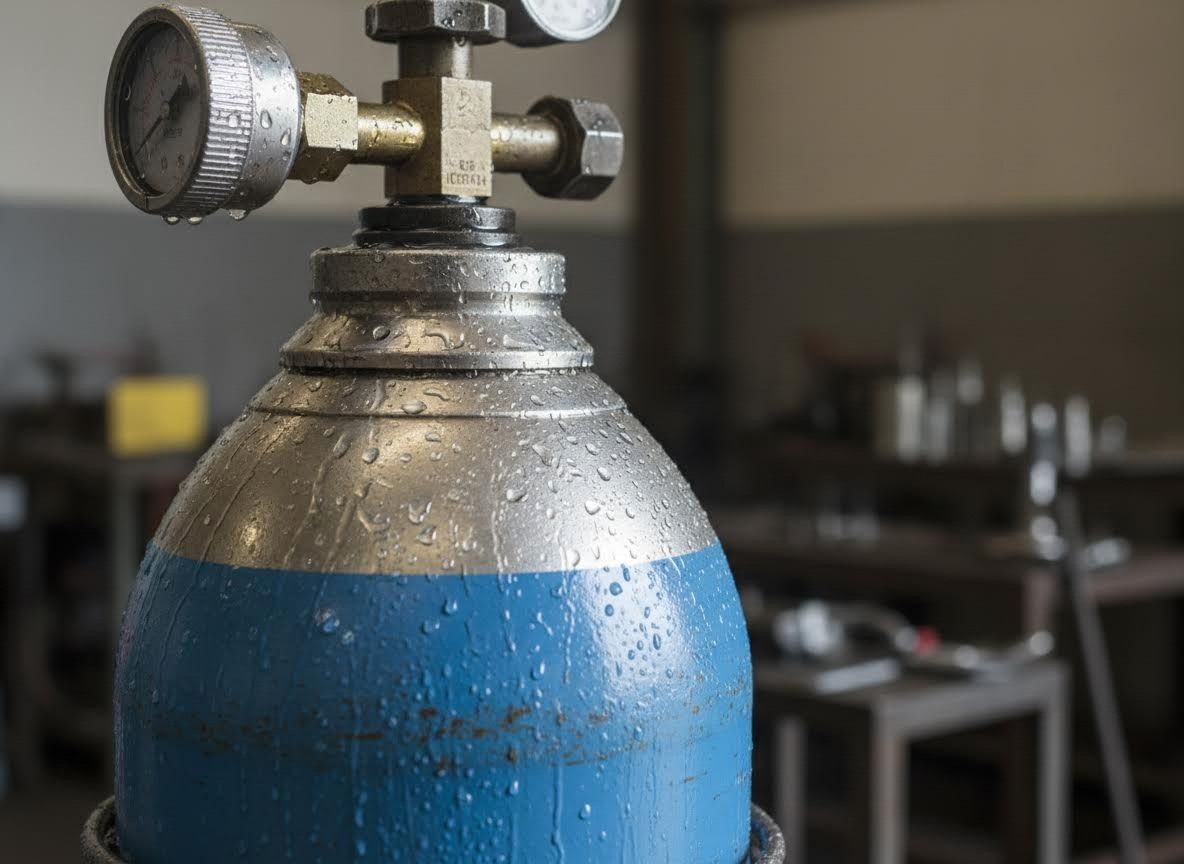
One of the most vital yet often overlooked maintenance tasks is regularly draining condensation from the compressor’s tank. As air is compressed, moisture condenses into water, which collects at the bottom of the tank. If this water is not drained, it can cause internal rust and corrosion, which can significantly weaken the tank's structure over time and pose a serious safety risk. Make it a habit to drain your compressor’s tank after every use, or at least daily, to prevent this buildup and ensure the air delivered for various tasks, including preparing surfaces for welding, remains clean and dry.
Maintaining Your Compressor's Filtration System
Filters act as your compressor's first line of defense against harmful contaminants. The air filter prevents dust, debris, and other particles from entering the pump and motor, protecting sensitive internal components from premature wear. A clogged air filter forces the compressor to work harder, reducing efficiency and increasing power consumption. Inspect and clean or replace your air filter according to the manufacturer's recommended schedule, which typically varies based on usage and environmental conditions. For oil-lubricated models, remember to also attend to the oil filter, as it plays a crucial role in maintaining the purity of the lubricating oil and protecting the pump, much like ensuring the quality of your welding gas.
Oil and Lubrication: The Heart of the System
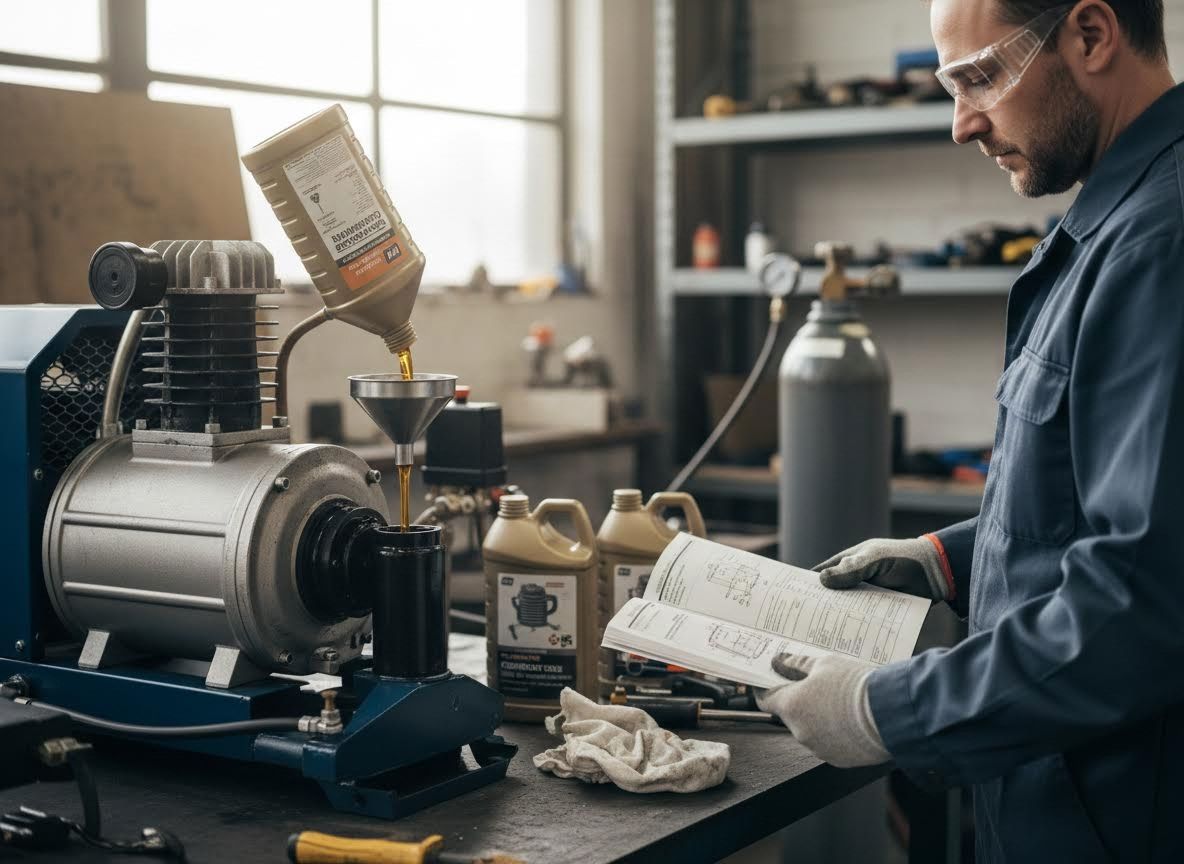
For oil-lubricated air compressors, proper lubrication is paramount to the unit's longevity. Using the correct type of compressor oil and maintaining the appropriate oil level are essential for reducing friction, dissipating heat, and preventing wear on moving parts. Always consult your compressor's owner's manual for specific oil recommendations and guidelines on oil change intervals. Regular oil changes prevent the accumulation of sludge and contaminants that can degrade performance and lead to costly repairs. This diligent attention to fluid maintenance is comparable to the care required for handling welding tanks and other specialized welding supplies.
Inspecting Hoses, Fittings, and Belts
A thorough inspection of hoses, fittings, and belts should be part of your routine maintenance checklist. Over time, hoses can develop cracks or leaks, fittings can become loose, and drive belts (on belt-driven models) can fray or stretch. Air leaks, even small ones, can drastically reduce your compressor's efficiency, causing it to cycle more frequently and wear out faster. Inspect all connections for tightness and signs of wear, replacing any compromised hoses or belts immediately. This proactive approach ensures your entire pneumatic system, including accessories used for different welding projects, operates safely and at peak performance, providing comprehensive gas solutions as needed.
Implementing these routine maintenance practices will significantly enhance the longevity and performance of your air compressor, ultimately saving you both time and money. A well-maintained compressor is a fundamental asset in any productive workspace, consistently providing reliable power for all your projects, including those that demand precise welding equipment and robust, comprehensive gas solutions. For expert advice on tool maintenance or to explore our wide selection of parts and welding supplies, we encourage you to connect with the knowledgeable team at Comp Air Gases, who are dedicated to helping you achieve your project goals.