
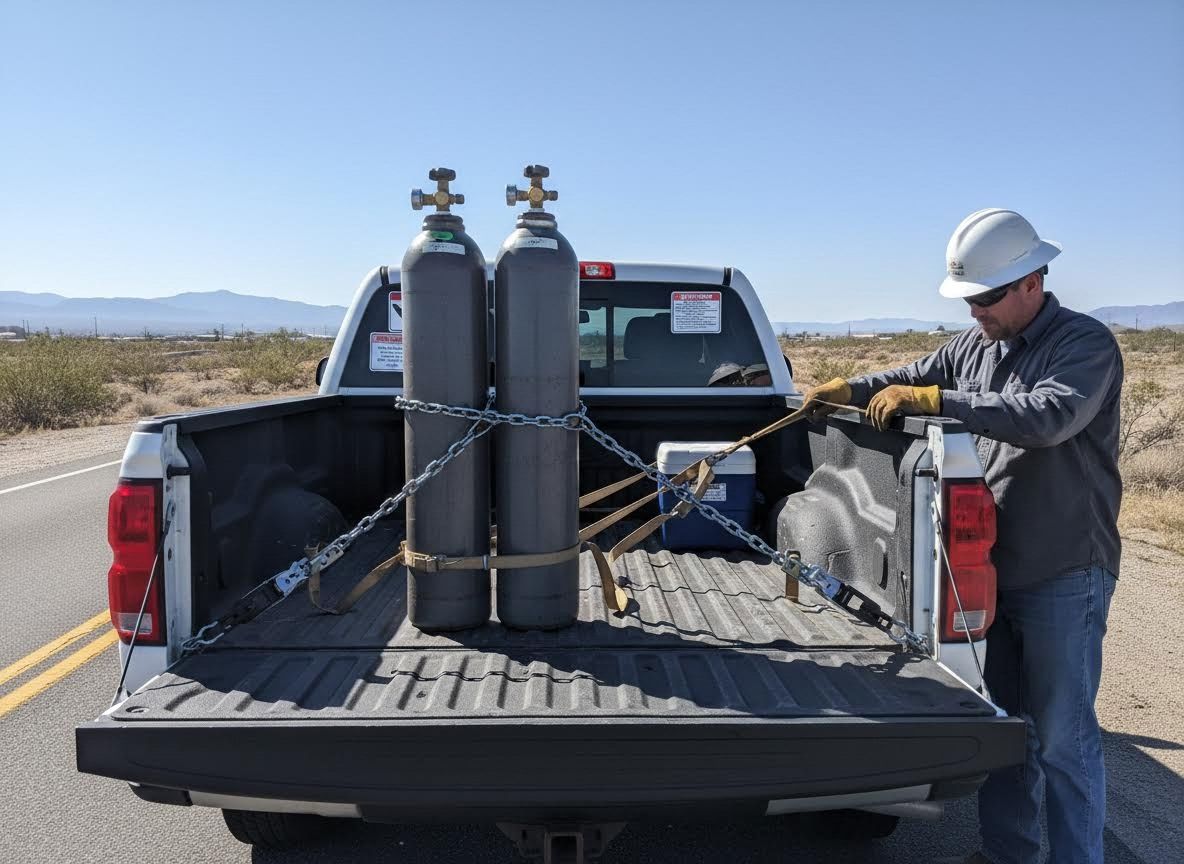
Southern California's climate, with its intense heat, presents unique challenges for those working with welding tanks. Ensuring the safe storage and transportation of these essential components is not just good practice; it's critical for preventing accidents and maintaining the integrity of your work. At Comp Air Gases, we understand the importance of reliable safety measures for professionals and hobbyists alike, and we're here to guide you through best practices.
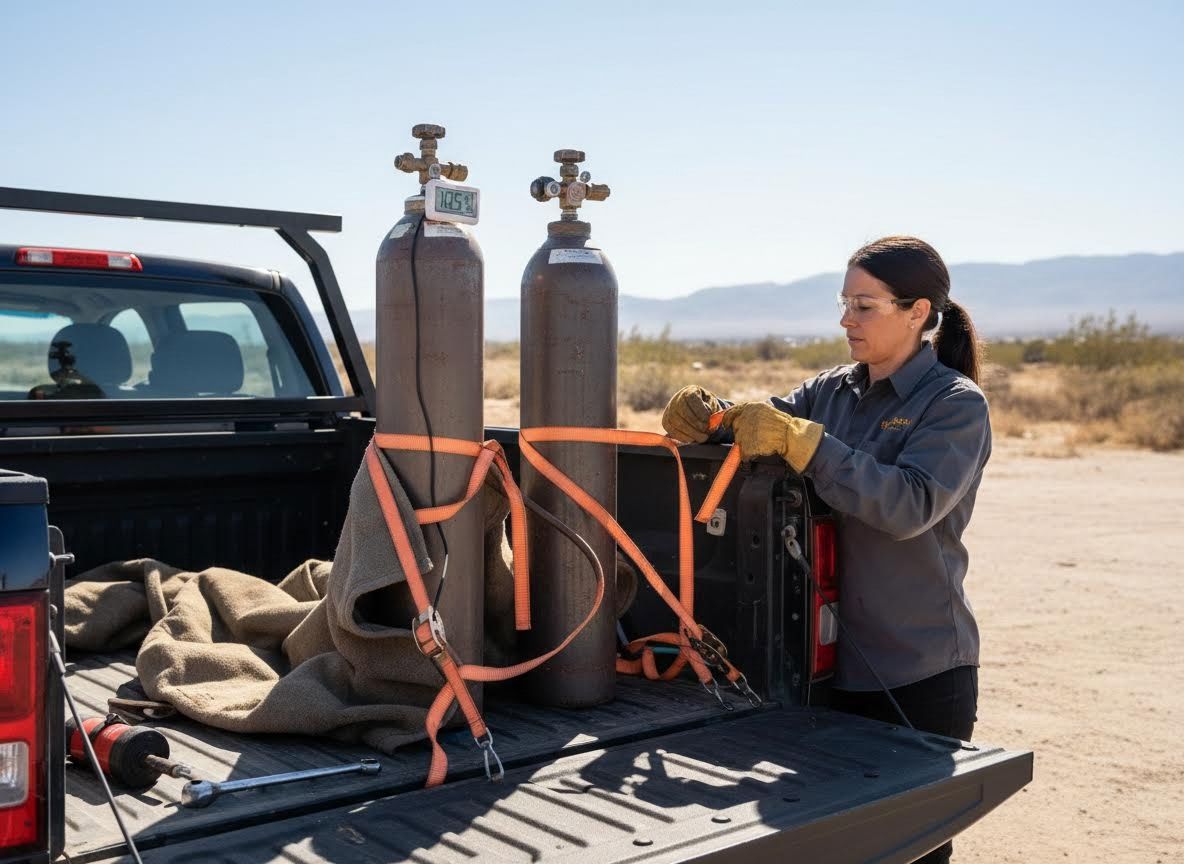
Understanding the Impact of Heat on Welding Tanks
High temperatures can significantly affect the pressure inside welding tanks. As temperatures rise, the gas inside expands, increasing internal pressure. If a tank is overpressurized due to excessive heat exposure, it could pose safety hazards. Each welding gas has specific properties, and understanding these is key. Always refer to the manufacturer's specifications and safety data sheets for your specific welding tanks to determine their temperature limits and handling requirements. Proper knowledge is your first line of defense against heat-related incidents.
Safe Storage Practices for Welding Tanks
When storing welding tanks in a warm climate like Southern California, prioritize locations that are cool, dry, and well-ventilated. Tanks should always be stored upright and securely chained or strapped to prevent them from falling, which can damage valves or the tank itself. Keep oxygen tanks separate from fuel gas tanks (such as acetylene or propane) to prevent hazardous mixtures in the event of a leak. Ensure storage areas are free from ignition sources, flammable materials, and corrosive chemicals. Regular inspection of your welding equipment and the storage area helps identify potential issues before they become serious.
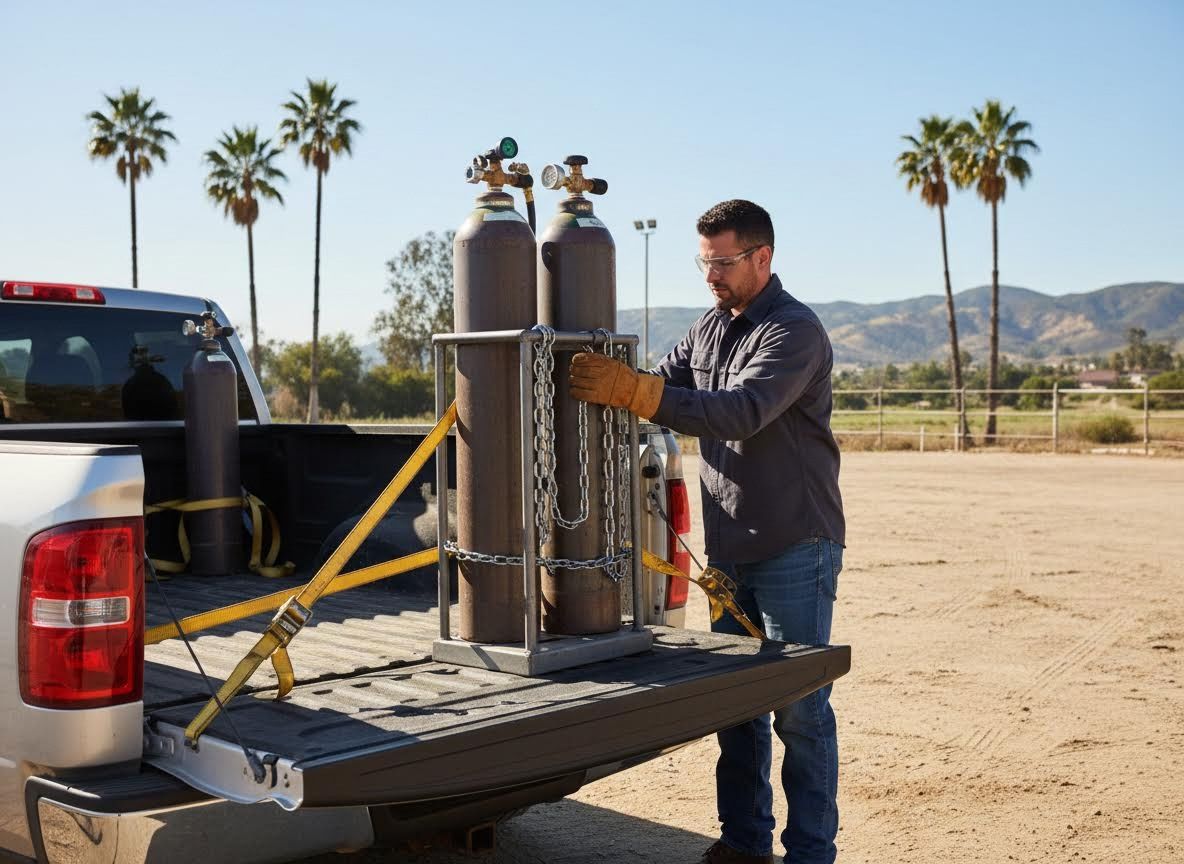
Secure Transportation of Welding Tanks
Transporting welding tanks safely, especially on hot SoCal days, requires careful planning. Always secure tanks in an upright position using chains, straps, or a cylinder cart designed for this purpose to prevent any movement during transit. Avoid transporting tanks in enclosed spaces, such as car trunks, without adequate ventilation, as temperatures can quickly skyrocket. If possible, transport tanks in an open-bed truck or trailer or in a vehicle with proper ventilation, and minimize their time in direct sunlight. Always handle welding supplies with care, wearing appropriate personal protective equipment, such as gloves, to protect against potential hazards.
Maintaining Your Welding Supplies and Equipment in the Heat
The heat doesn't just affect the welding tanks themselves; it can also impact your overall welding equipment and other welding supplies. High temperatures can degrade rubber hoses, seals, and regulators over time, making them brittle or prone to leaks. Regularly inspect all components of your welding setup for signs of wear or heat damage. Storing hoses and regulators in a cool, dark place when not in use can prolong their lifespan. Using high-quality welding gas and ensuring all connections are tight and secure is always paramount, regardless of the weather conditions.
Ensuring the safe handling, storage, and transportation of welding tanks and related welding supplies is paramount, especially when navigating the unique challenges posed by Southern California's heat. By following these expert guidelines, you can protect yourself, your team, and your valuable welding equipment. Comp Air Gases is committed to providing comprehensive gas solutions and the highest quality welding supplies, ensuring your projects are always safe and successful. For expert advice on managing your welding gas and equipment in any climate, reach out to our knowledgeable team.