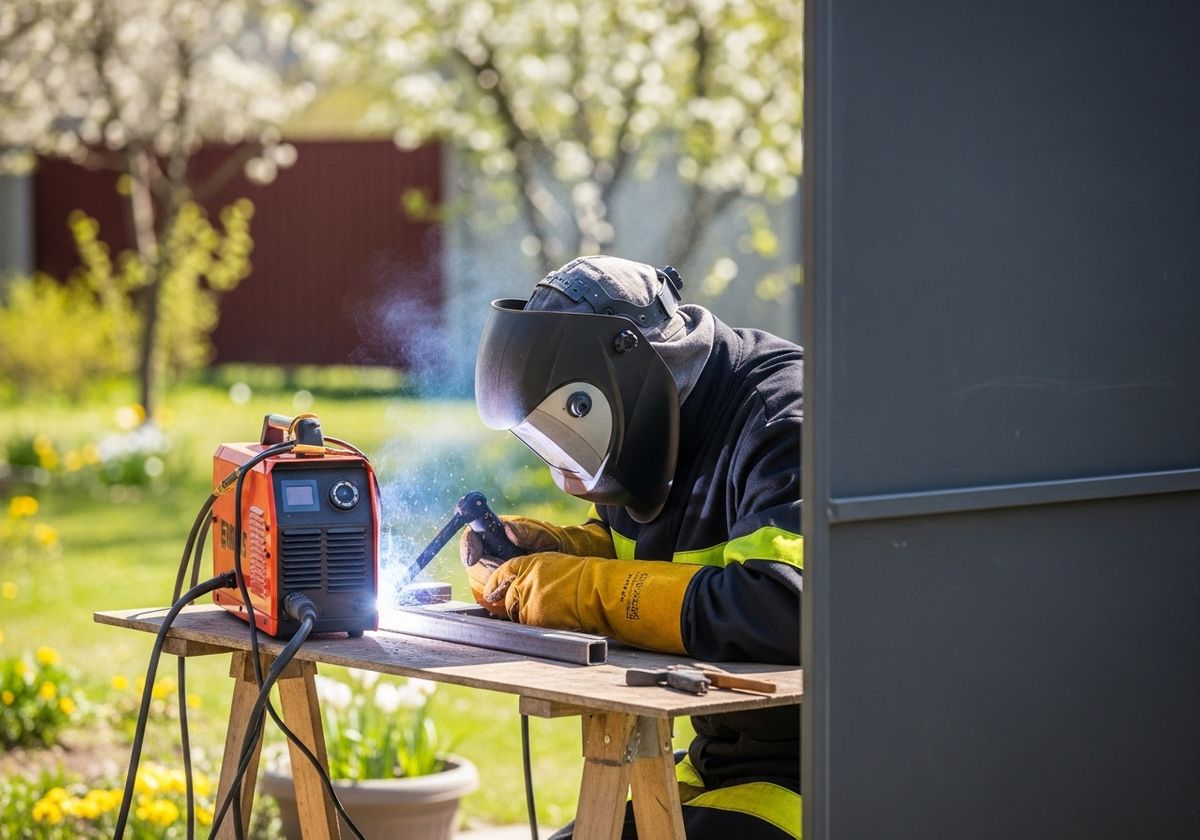
Spring is a great time to get outdoors and tackle those welding projects you've been putting off all winter. However, welding outdoors presents unique challenges compared to working in a controlled shop environment. Here's a guide to help you weld safely and effectively in the springtime.
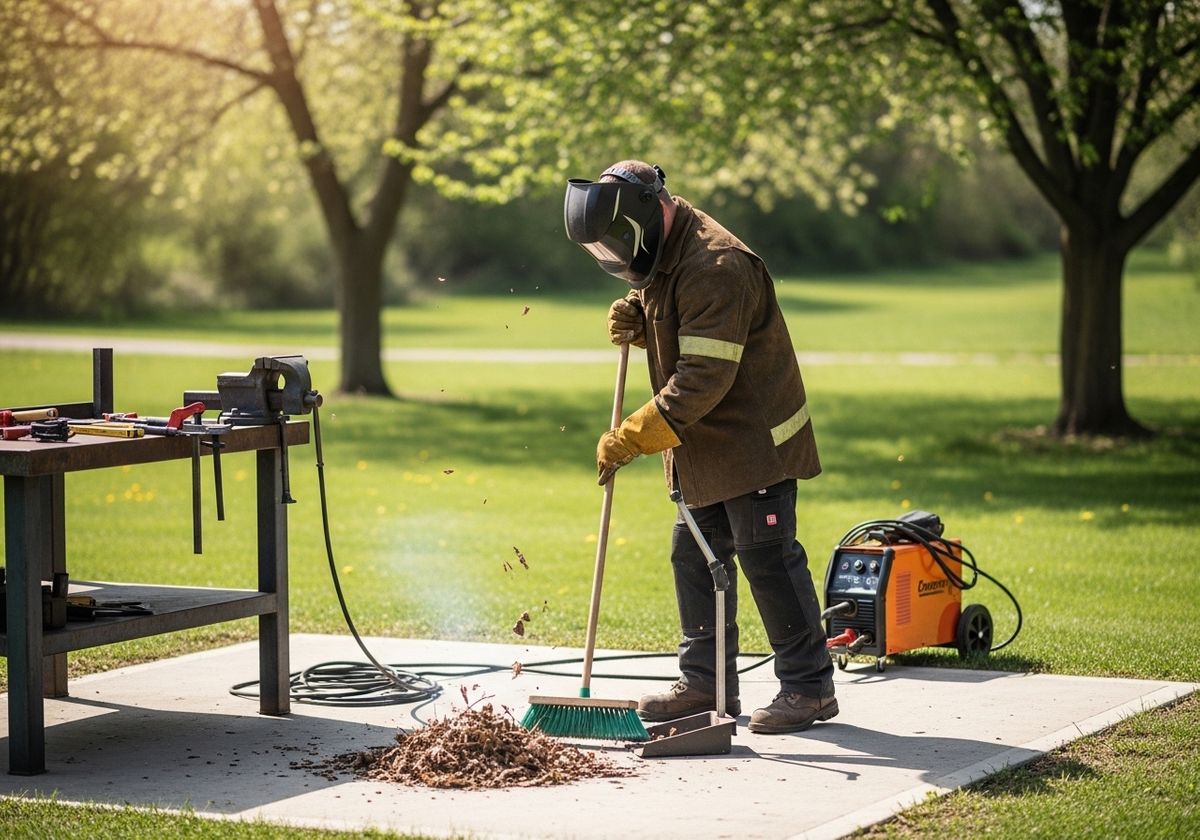
Prepare Your Work Area
First, make sure your welding area is clean and dry. Remove any flammable materials, such as leaves, dry grass, or wood, from the vicinity. Even a small spark can ignite dry debris and cause a fire. It's also essential to have adequate ventilation. Spring breezes can help dissipate fumes, but avoid welding in areas where wind could blow away your shielding gas.
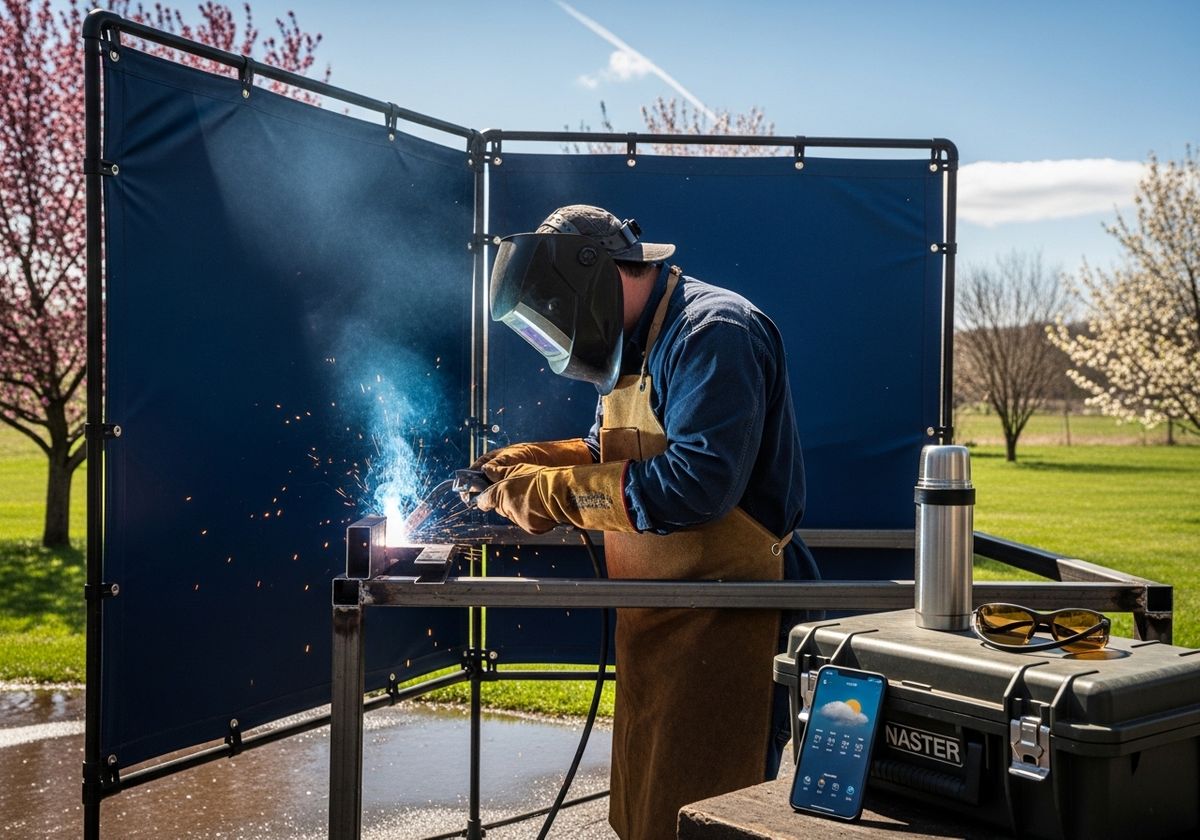
Account for the Weather
Spring weather can be unpredictable, so be prepared for changing conditions. Keep an eye on the forecast and avoid welding in heavy rain or high winds. Moisture can compromise your welds, and wind can make it difficult to maintain a stable arc. Consider a portable welding screen or windbreak to shield your work area from gusts of wind.
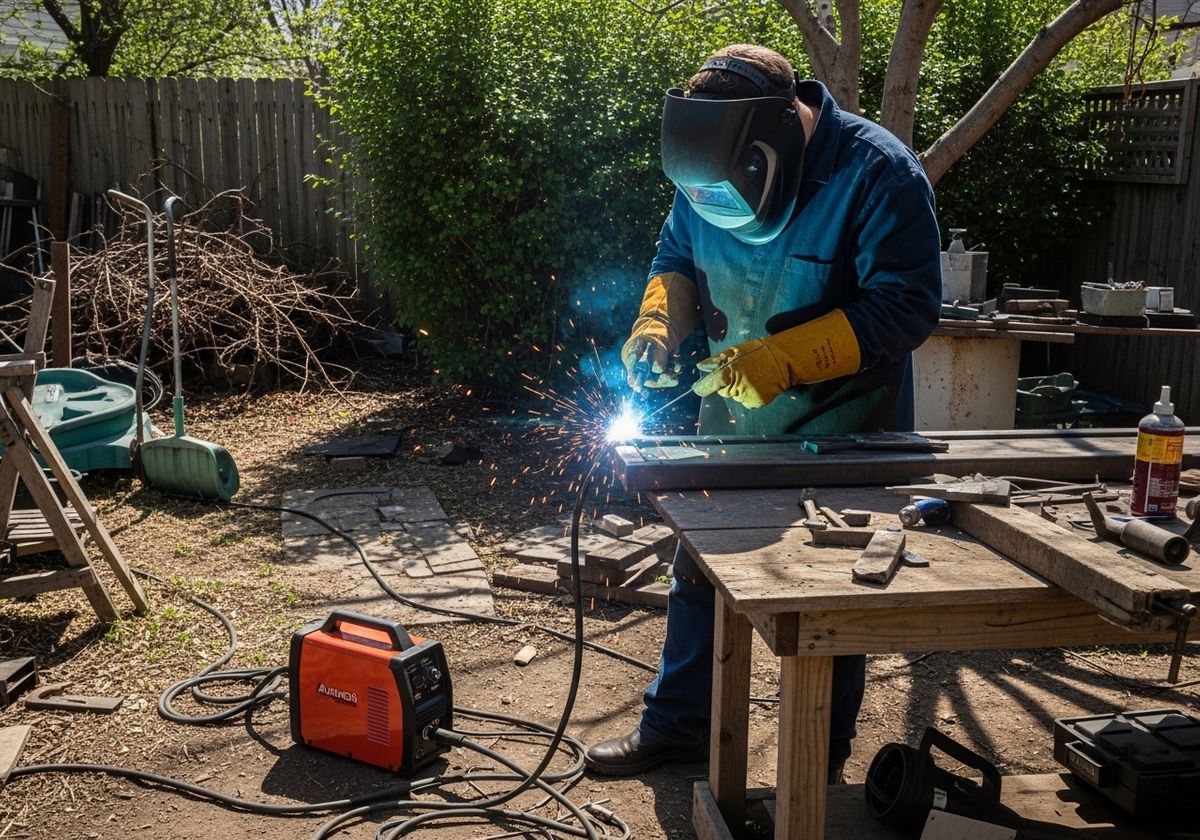
Select the Right Equipment
Choosing the right welding equipment is crucial for outdoor work. A portable welding machine is ideal for moving around your yard or job site. Make sure your equipment is properly grounded to prevent electrical shock, especially in damp conditions. Use appropriate personal protective equipment (PPE), including a welding helmet, gloves, and flame-resistant clothing, to protect yourself from sparks, UV radiation, and burns.
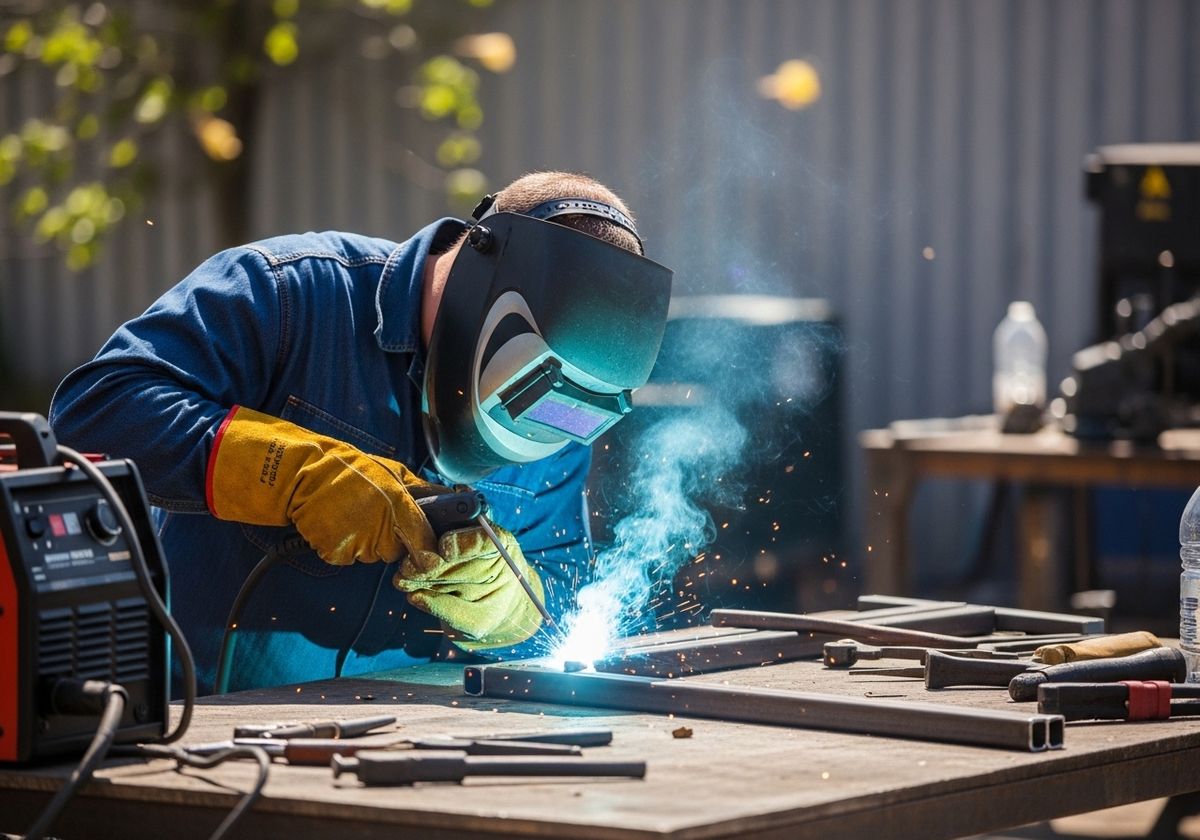
Welding Techniques for Outdoors
When welding outdoors, you may need to adjust your technique to compensate for environmental factors. Wind can disrupt your shielding gas, leading to porosity in your welds. To combat this, try reducing your arc length and increasing your gas flow rate. You may also need to experiment with different welding positions to find one that minimizes the effects of wind. If you're working with thin materials, consider using a lower amperage setting to prevent burn-through.
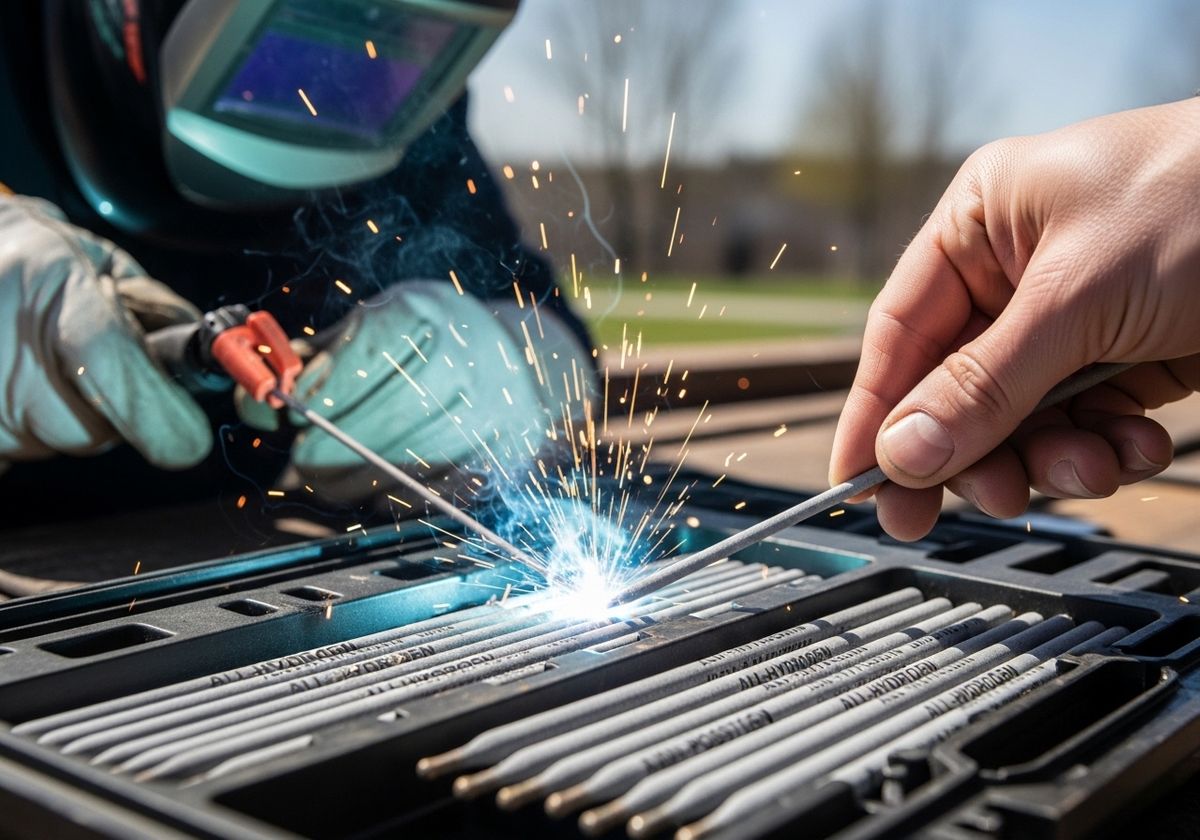
Choose the Right Welding Rods
Selecting the correct welding rods is paramount for successful outdoor welds. Opt for rods designed for all-position welding, as they offer greater flexibility when working in various orientations. Low-hydrogen rods are an excellent choice for outdoor projects because they minimize the risk of moisture absorption, which can lead to weld defects. When in doubt, consult with a welding supply shop for guidance on selecting the best rods for your specific application.
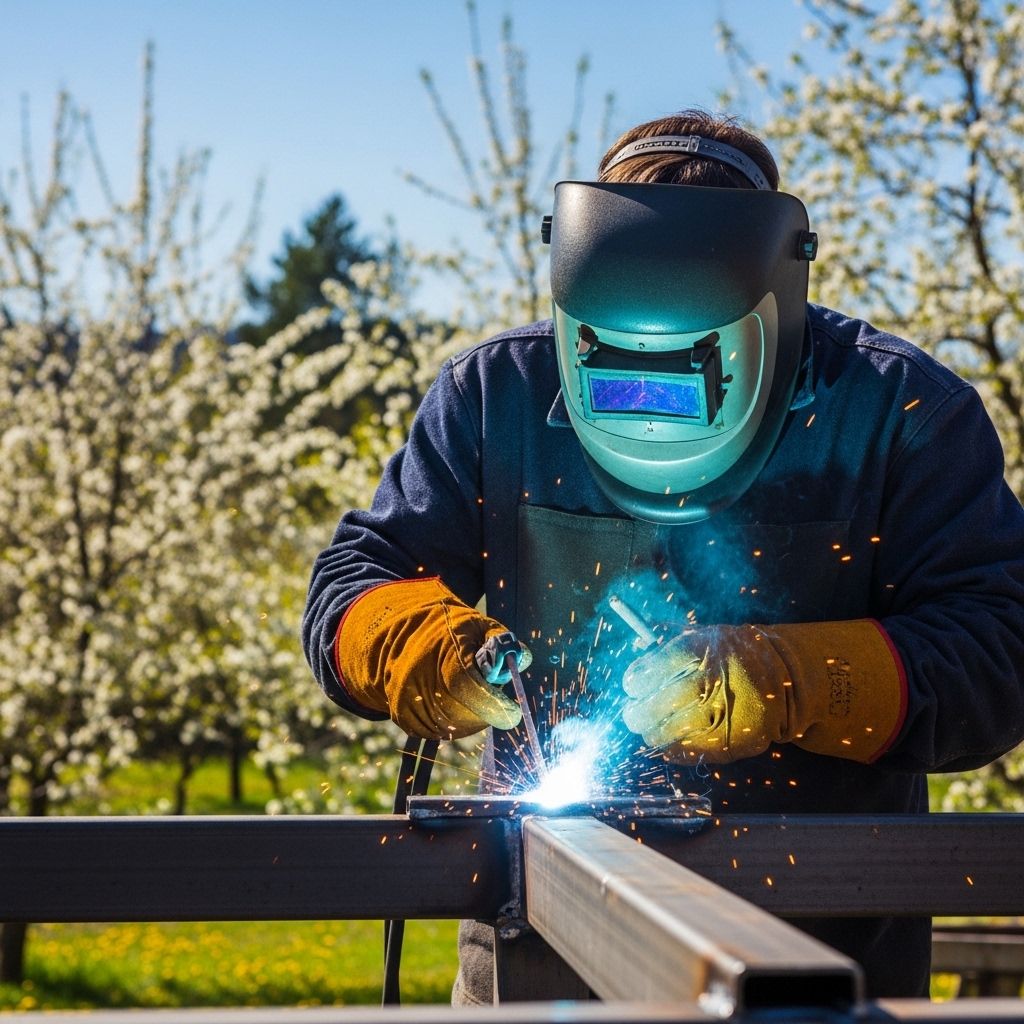
Welding outdoors in the spring can be a rewarding experience if you take the necessary precautions and plan ahead. Remember to prepare your work area, account for the weather, select the right equipment, and adjust your welding technique as needed. By following these tips, you can achieve high-quality welds and enjoy the great outdoors while you work. If you're looking for a reliable welding supply store with a wide selection of welding equipment for sale, or if you need expert advice on choosing the right tools and materials for your outdoor projects, visit Comp Air Gases.
Contact us today or visit our welding supply shop in Pomona, CA, to learn more!