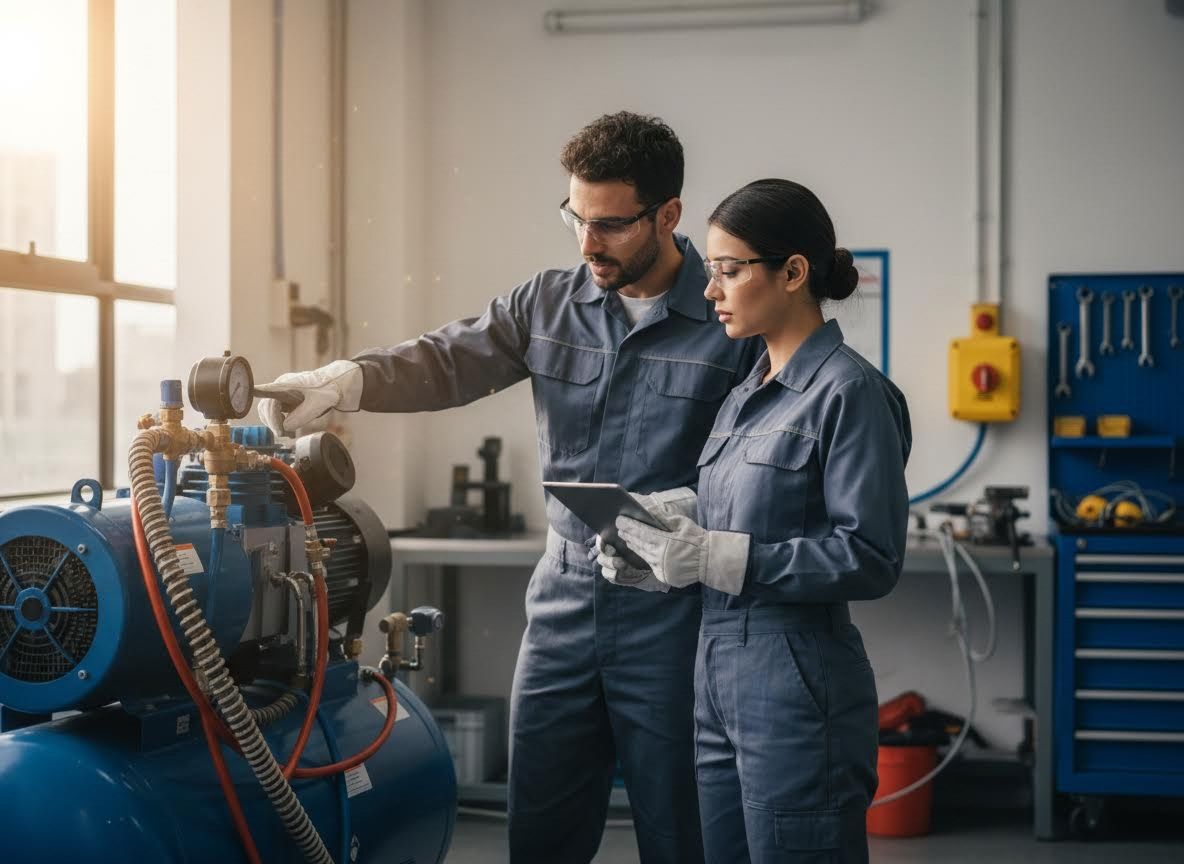
Working with compressed air equipment, while essential for countless tasks, demands a steadfast commitment to safety. From powering tools to facilitating various industrial processes, understanding and implementing proper safety practices is paramount for preventing accidents and ensuring a productive work environment. At Comp Air Gases, we believe that education and awareness are the cornerstones of safe operation, safeguarding both equipment and personnel. This guide outlines fundamental safety measures to help you manage your compressed air systems responsibly and effectively.
Understanding Your Equipment and Proper Handling
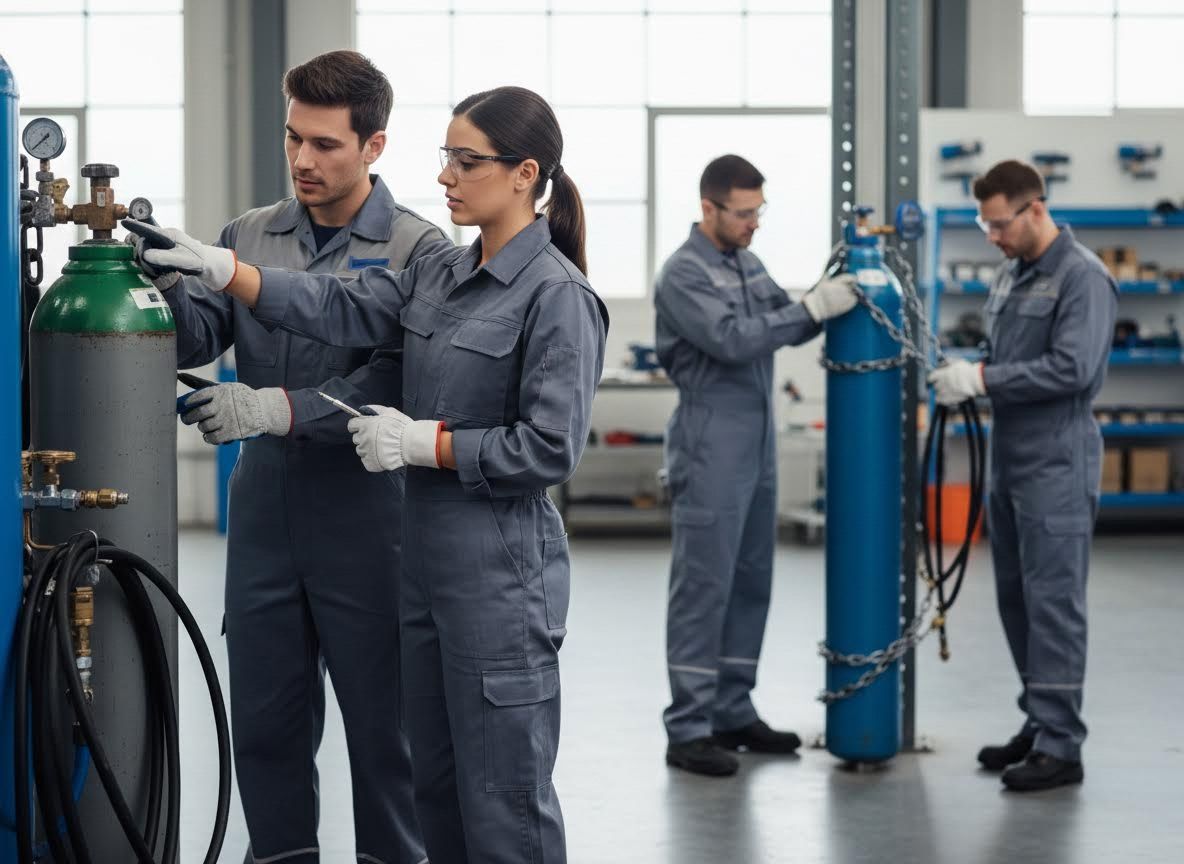
Before operating any compressed air equipment, it is crucial to familiarize yourself with its specific functions and safety features. Always consult the manufacturer’s instructions and manuals, as they provide vital information specific to your model. Proper handling extends to the storage and transportation of cylinders containing compressed gases, including welding tanks. Ensure all cylinders are securely stored upright, ideally chained to a wall or cylinder cart, to prevent tipping. When moving them, use appropriate hand trucks or carts designed for cylinders; never drag or roll them. Regularly inspect hoses, connections, and regulators for any signs of wear, damage, or leaks before each use.
Essential Personal Protective Equipment (PPE)
Personal Protective Equipment is your first line of defense against potential hazards associated with compressed air. Eye protection, such as safety glasses or face shields, is non-negotiable for guarding against flying debris, dust, or sudden bursts of air. Hearing protection, including earplugs or earmuffs, is also critical, especially when working with high-pressure air tools that can generate significant noise levels. Additionally, sturdy work gloves can protect hands from cuts, abrasions, and extreme temperatures. Always assess the specific task at hand to determine the full range of PPE required, ensuring you are adequately protected for any eventuality.
Regular Maintenance and System Integrity
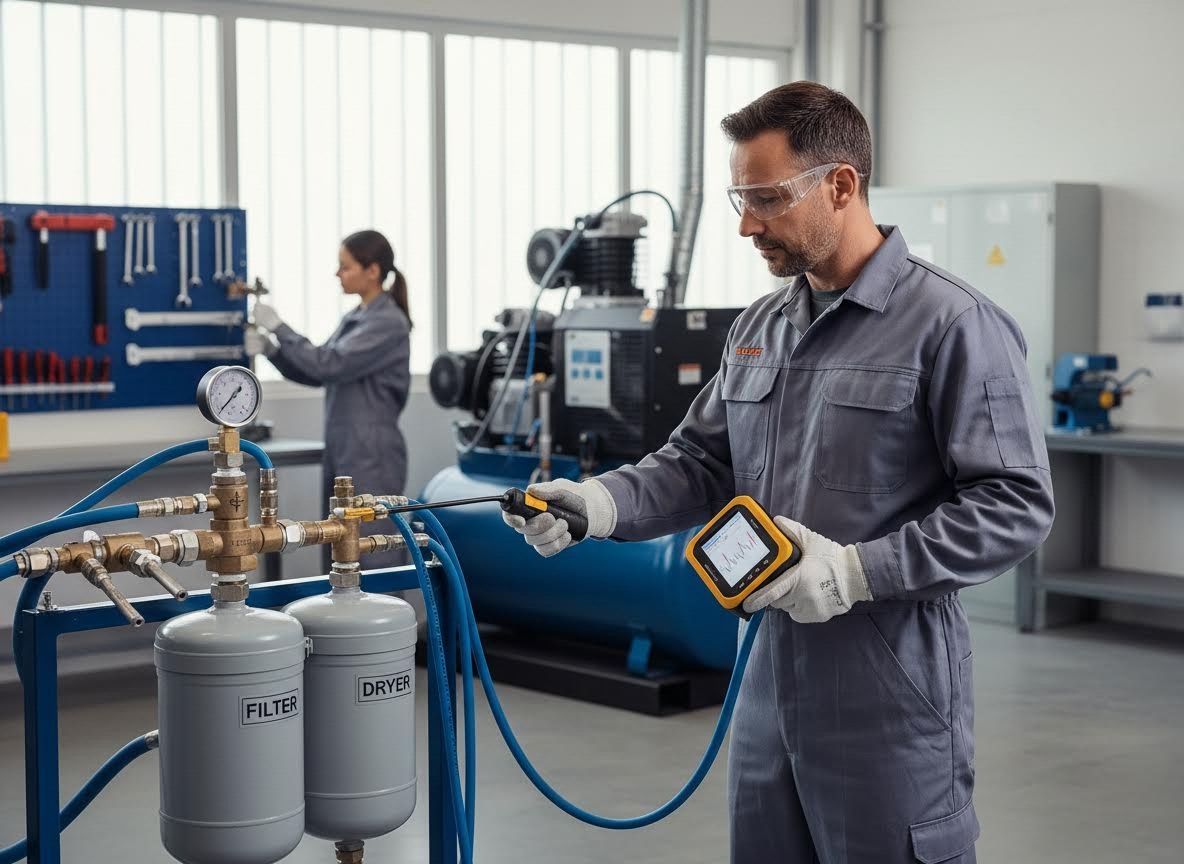
Maintaining your compressed air system in optimal condition is a key safety practice that prevents failures and extends equipment lifespan. This includes routine checks for air leaks in hoses, fittings, and connections, which not only conserve energy but also prevent unexpected pressure drops or ruptures. Ensure that all pressure gauges and safety valves are functioning correctly and are calibrated regularly. Filters and dryers should be inspected and serviced according to manufacturer guidelines to prevent contamination and moisture buildup, which can compromise both equipment performance and safety. For complex systems or when in doubt, consider professional inspections and servicing to guarantee system integrity.
Emergency Preparedness and Environment
Even with the best precautions, emergencies can occur. Being prepared means knowing your emergency shut-off procedures for all compressed air systems. Ensure that emergency stop buttons or valves are easily accessible and clearly marked. Always operate compressed-air equipment in a well-ventilated area to prevent the buildup of fumes or gases, especially when working with welding gases or other specialized gases. Keep your workspace clean and free of clutter to minimize trip hazards and allow for quick movement in case of an incident. Familiarize yourself and your team with the location of fire extinguishers and first-aid kits, and understand how to respond to various emergency scenarios.
Adhering to safe practices when using compressed air equipment is not just a recommendation; it's a necessity for the well-being of everyone involved. By understanding your equipment, utilizing proper personal protective equipment, maintaining your systems diligently, and being prepared for emergencies, you create a safer and more efficient working environment. Comp Air Gases is dedicated to providing high-quality welding equipment and comprehensive gas solutions, and our team is always ready to share expert guidance to enhance your safety knowledge and operations. For further information on equipment safety or to explore our range of welding supplies, contact our knowledgeable staff.