
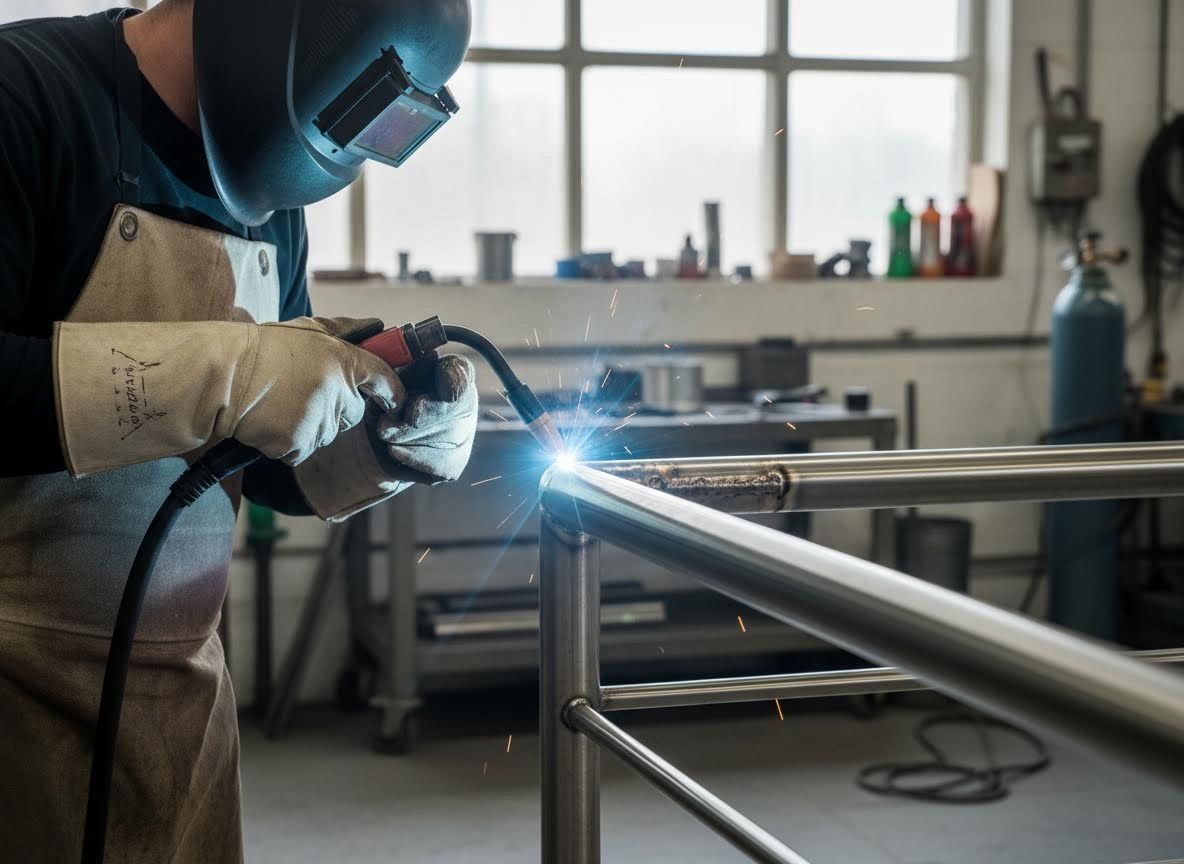
Achieving a pristine finish in architectural metalwork demands more than just joining two pieces of metal; it requires an artistic touch and meticulous attention to detail to ensure every weld is not just strong, but also aesthetically pleasing. The "clean look" in this specialized field is paramount, as the welds themselves often contribute to the final design, requiring seamless integration and a flawless appearance. At Comp Air Gases, we understand that professionals in Pomona and surrounding areas seek precision, reliability, and the right resources to elevate their craft. This post will guide you through the essentials of creating those sleek, presentable welds that define high-quality architectural metalwork.
The Cornerstone: Meticulous Preparation
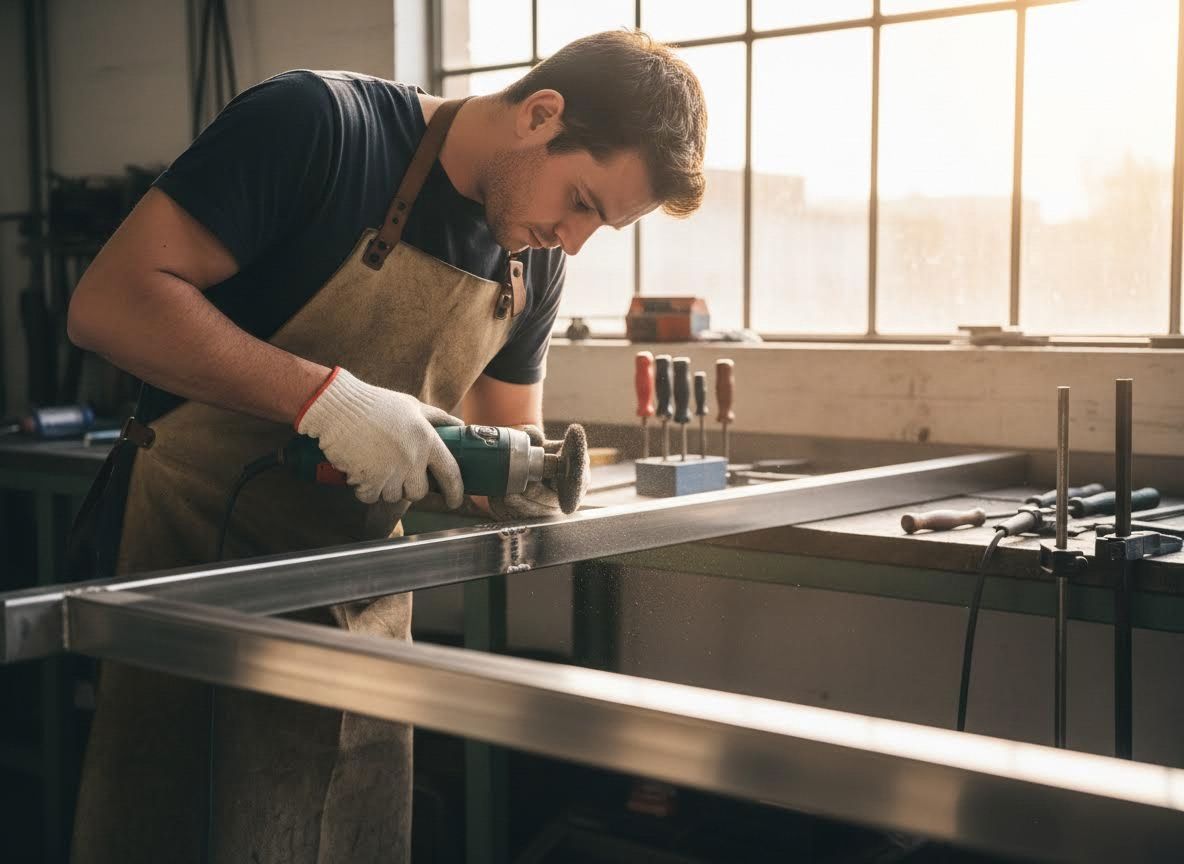
The journey to an impeccable weld begins long before the arc strikes. Proper preparation of your materials is non-negotiable for achieving a clean, sleek finish. This involves thoroughly cleaning the base metals to remove any rust, oil, paint, or contaminants that could compromise the weld’s integrity and appearance. Precision cutting and accurate fit-up are also crucial; poorly fitted joints create gaps that are harder to fill cleanly and often lead to uneven beads. Investing time in these initial steps ensures a solid foundation, allowing the welding process to produce a smooth, consistent result.
Selecting the Right Tools and Consumables
The choice of welding equipment and welding supplies significantly impacts the aesthetic outcome of architectural metalwork. For the highest-quality finish, processes like TIG (Gas Tungsten Arc Welding) are often preferred for their precise control and ability to produce smooth, clean welds with minimal spatter. Selecting the appropriate filler metal that matches your base material is essential for both strength and appearance. Equally critical is the purity and type of welding gas; Argon, or Argon mixtures, are commonly used for TIG welding to shield the weld pool from atmospheric contamination, preventing porosity and discoloration. Utilizing high-quality welding tanks and ensuring you have comprehensive gas solutions tailored to your specific application will make a substantial difference in achieving that pristine architectural finish.
Mastering Technique and Post-Weld Perfection
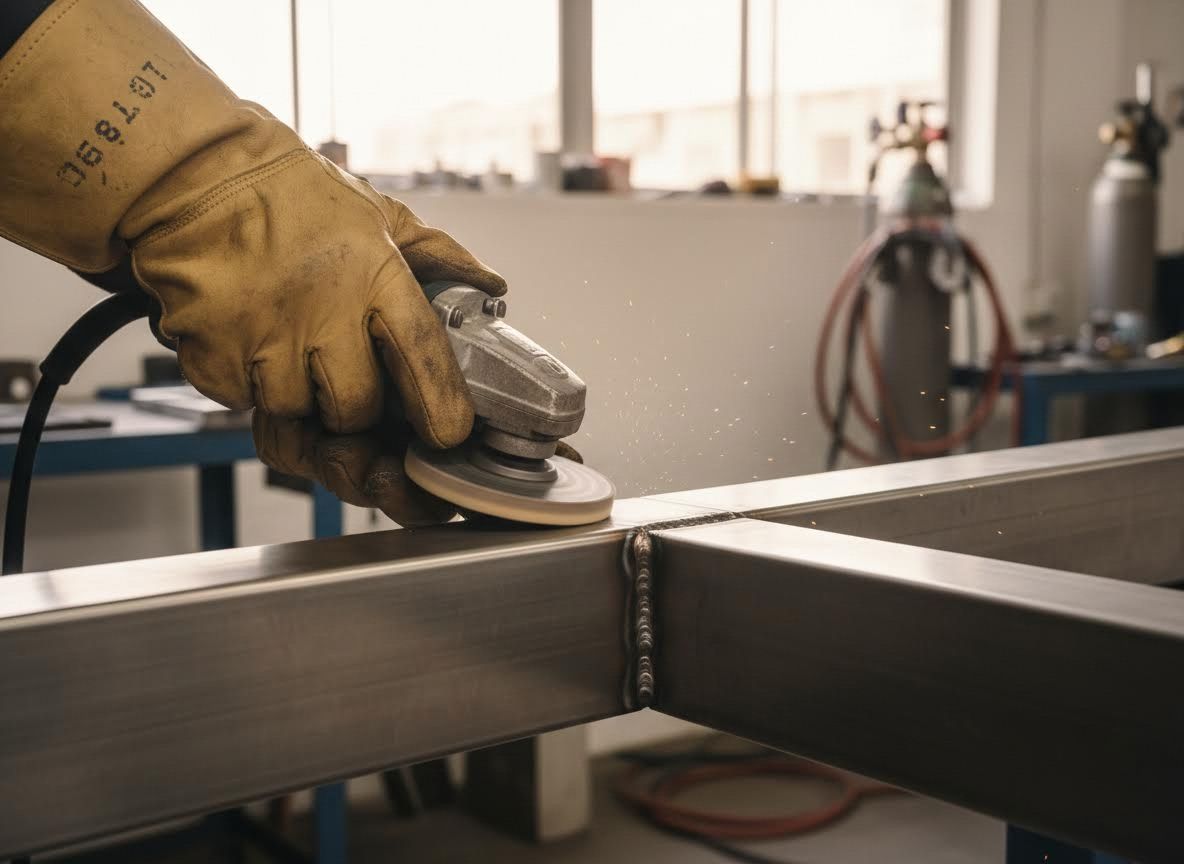
Even with the best preparation and equipment, a skilled hand is necessary. Mastering your welding technique—maintaining a consistent travel speed, arc length, and electrode angle—is vital for uniform bead appearance. Practice and patience are key to developing the muscle memory required for smooth, consistent welds. Once the welding is complete, post-weld care is the final step in achieving the clean look. This includes careful cleaning to remove any discoloration or oxidation, followed by precise grinding and polishing. The goal is to blend the weld seamlessly with the surrounding material, creating a unified and visually appealing surface that meets the high standards of architectural metalwork.
Achieving sleek, presentable welds for architectural metalwork is a testament to skill, precision, and the right resources. From meticulous preparation to selecting appropriate welding equipment and mastering advanced techniques, each step contributes to the final aesthetic. When you require top-tier welding supplies, including a range of welding tanks and expert advice on comprehensive gas solutions for your projects, understanding your options is essential. We invite you to explore our extensive range and consult with our knowledgeable team to ensure your next architectural metalwork project not only stands strong but also looks impeccably clean.