Choosing the correct welding gas cylinder size for your projects is more than just a matter of convenience; it’s a critical decision that impacts efficiency, cost-effectiveness, and the smooth flow of your work. An appropriately sized cylinder prevents unnecessary downtime, reduces logistical hassles, and ensures you always have the necessary supply on hand. At Comp Air Gases, we understand the nuances of welding and are here to guide you in making informed choices for your operations.
Assessing Your Welding Demands
Before selecting a cylinder, it’s essential to honestly evaluate your welding habits and project scope. Consider how often you weld in a typical week or month, the average duration of your welding sessions, and the types of materials you’re joining. Are you performing quick repairs or engaging in extensive fabrication work? Different applications consume welding gas at varying rates, meaning a hobbyist’s needs will differ significantly from a professional shop’s. Understanding your true consumption rate is the first step to finding the perfect match for your welding equipment.
Decoding Cylinder Sizes and Their Applications
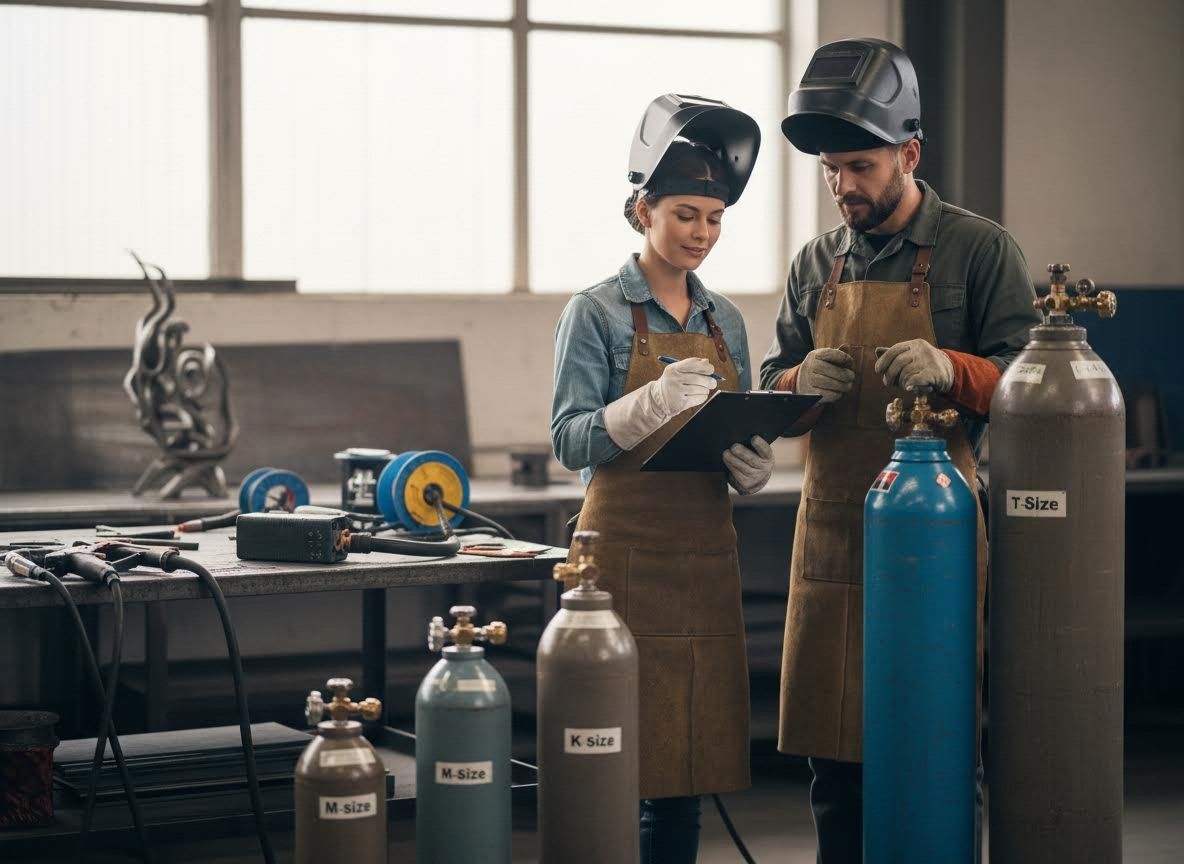
Welding gas cylinders come in a range of sizes, each designed to suit different usage patterns. Smaller cylinders are excellent for portable welding equipment, infrequent use, or small, on-the-go projects where space and weight are primary concerns. Medium-sized cylinders strike a balance, offering a good amount of gas without being overly cumbersome, making them suitable for small- to medium-sized workshops or more frequent hobbyist use. Larger welding tanks are the mainstay in industrial settings, busy fabrication shops, and for professionals who weld continuously, providing an ample supply to minimize interruptions and reduce the frequency of tank exchanges. Matching the physical size of your welding tanks to your actual usage ensures you’re not overpaying for gas you don’t use or constantly running out.

The Financial Impact of Cylinder Selection
The size of your welding gas cylinder directly influences your operational costs. While a smaller cylinder might seem cheaper upfront, frequent refills can lead to higher long-term expenses, including gas costs and potential delivery or pickup fees. Conversely, an oversized cylinder ties up capital and occupies valuable shop space without a proportional increase in immediate utility if your consumption is low. Finding the sweet spot means fewer trips for exchanges, better pricing on larger volumes of welding gas, and streamlined inventory management. This thoughtful approach to your welding supplies can lead to significant savings over time.
Safety, Storage, and Convenience
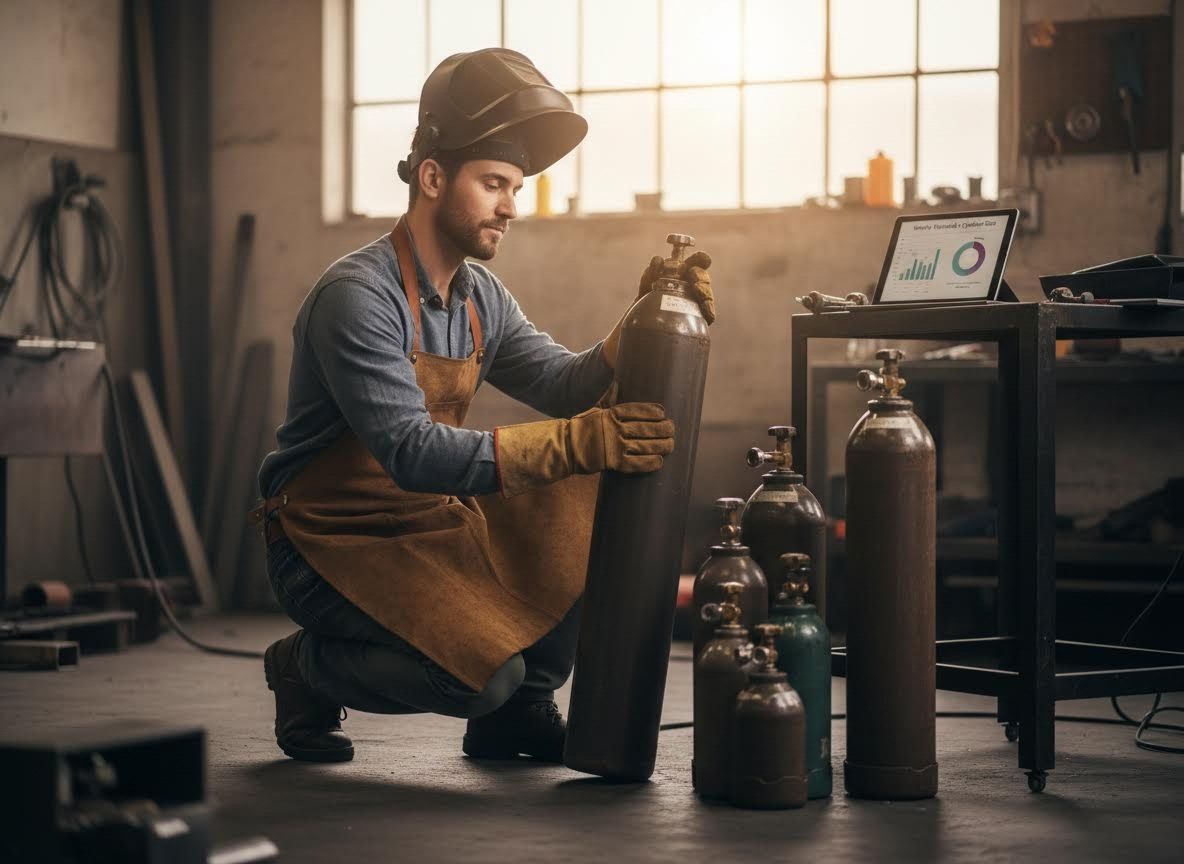
Beyond consumption and cost, the right cylinder size contributes to a safer and more convenient work environment. Proper handling and storage of welding tanks are paramount for safety. Overly large cylinders can be difficult to move and secure in a compact workspace, while too many small cylinders can create clutter. Consider your available storage space, ease of transport within your shop, and ergonomic handling. Choosing a cylinder that fits your physical environment and workflow enhances safety and streamlines your daily operations, ensuring your welding equipment is always ready when you are.
Selecting the optimal welding gas cylinder size is a practical decision that profoundly impacts your efficiency, safety, and bottom line. By carefully considering your usage, understanding the range of available welding tanks, and weighing the practical implications, you can ensure your operations are always fueled efficiently. Comp Air Gases is committed to providing comprehensive gas solutions, offering a wide array of welding supplies and expert advice to help you fine-tune your setup. Explore our resources to learn how to optimize your welding gas supply or contact our team to find the perfect fit for your needs.