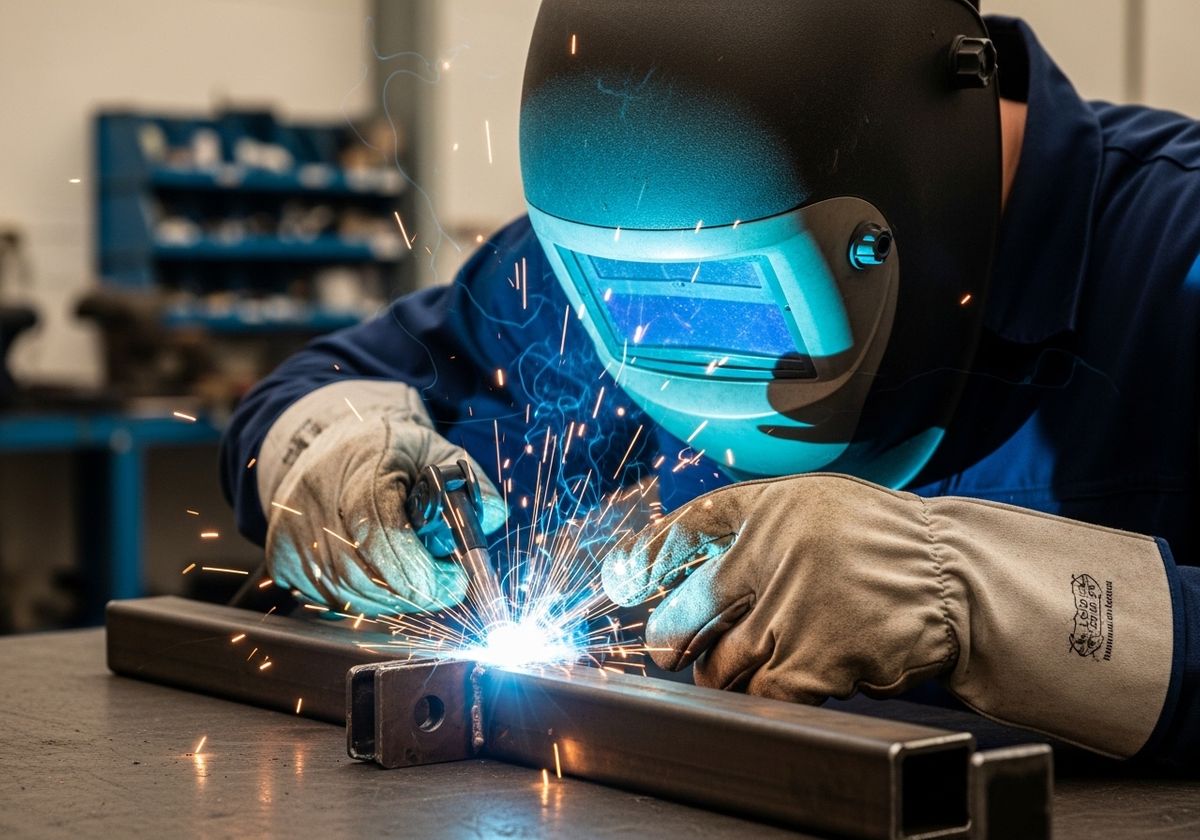
Spring is a popular time for welding projects, from home repairs to automotive work and beyond. However, the changing weather and increased workload can also bring about common welding issues. Knowing how to troubleshoot these problems can save you time, money, and frustration.
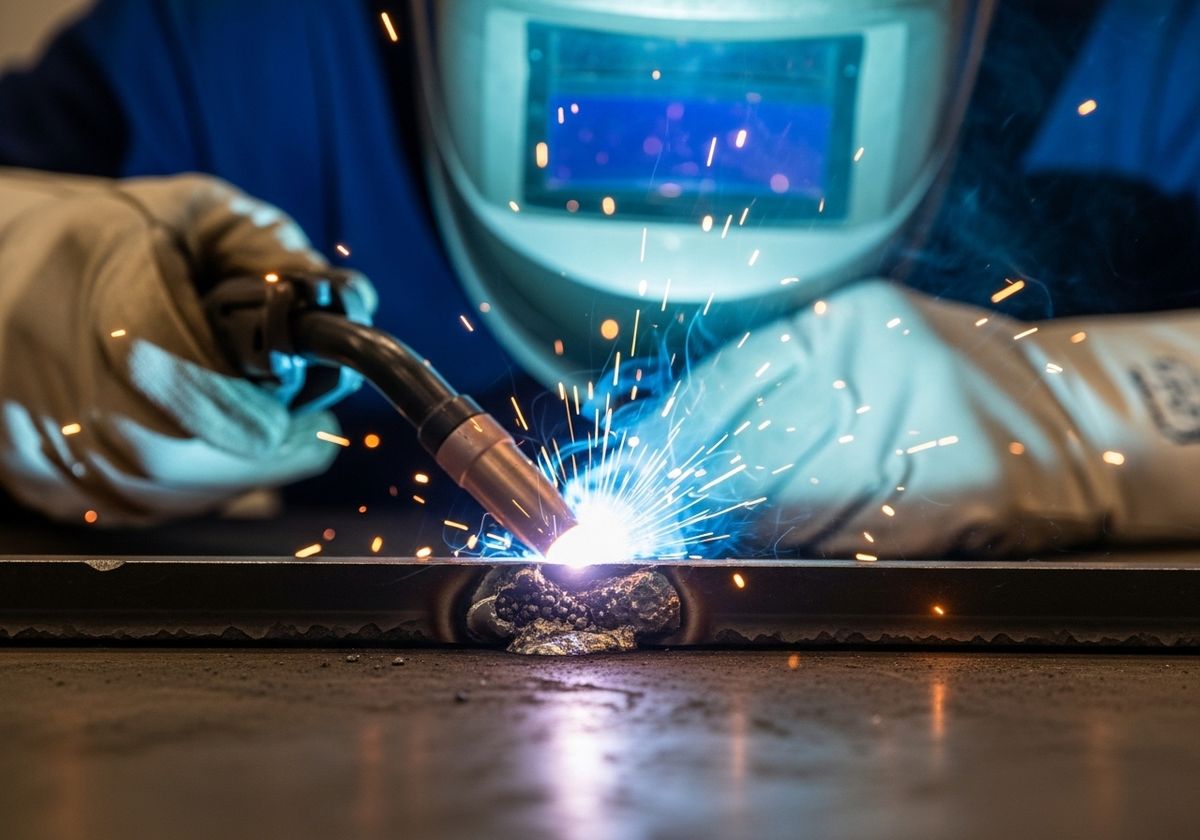
Porosity
Porosity, or the presence of gas bubbles in the weld, is a frequent issue. It's often caused by contaminants in the welding process. Here's how to tackle it:
Clean the metal: Ensure the base metal is free from rust, scale, paint, oil, and other contaminants. Use a wire brush, grinder, or chemical cleaner.
Check your shielding gas: Make sure you're using the correct shielding gas for the material and welding process. Verify that the gas flow rate is adequate and that there are no leaks in the gas line.
Reduce drafts: Shielding gas can be blown away by even a slight breeze. Work in a sheltered area or use windbreaks.
Proper technique: Use the correct welding parameters and travel speed.
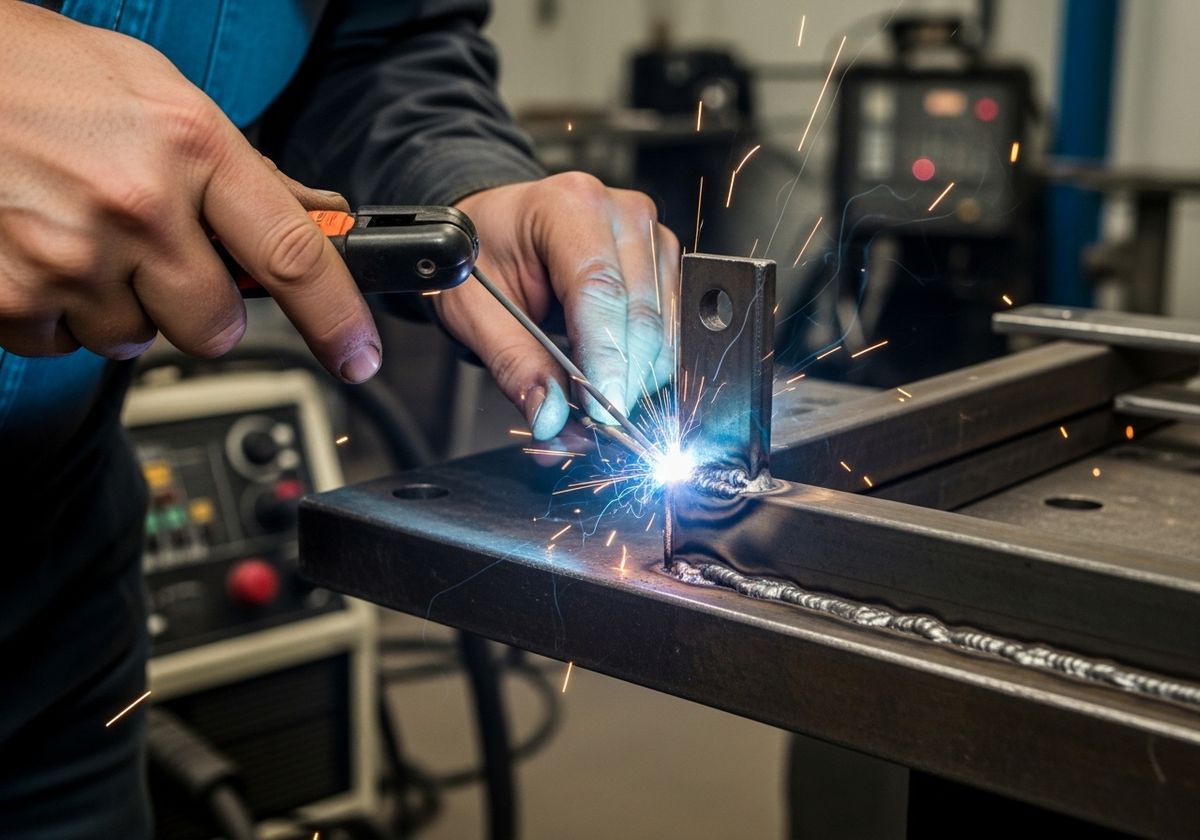
Lack of Fusion
Lack of fusion occurs when the weld metal doesn't properly fuse with the base metal. This can lead to weak and unreliable welds. Here's what to check:
Increase heat input: Ensure you're using the correct amperage and voltage settings for the material thickness and welding process.
Clean the metal: As with porosity, contaminants can prevent proper fusion. Clean the base metal thoroughly.
Proper joint design: Use the correct joint design and prepare the edges properly. A tight fit-up is essential for good fusion.
Welding technique: Use a proper welding technique, such as weaving or stringer beads, to ensure adequate heat distribution.
Arc Blow
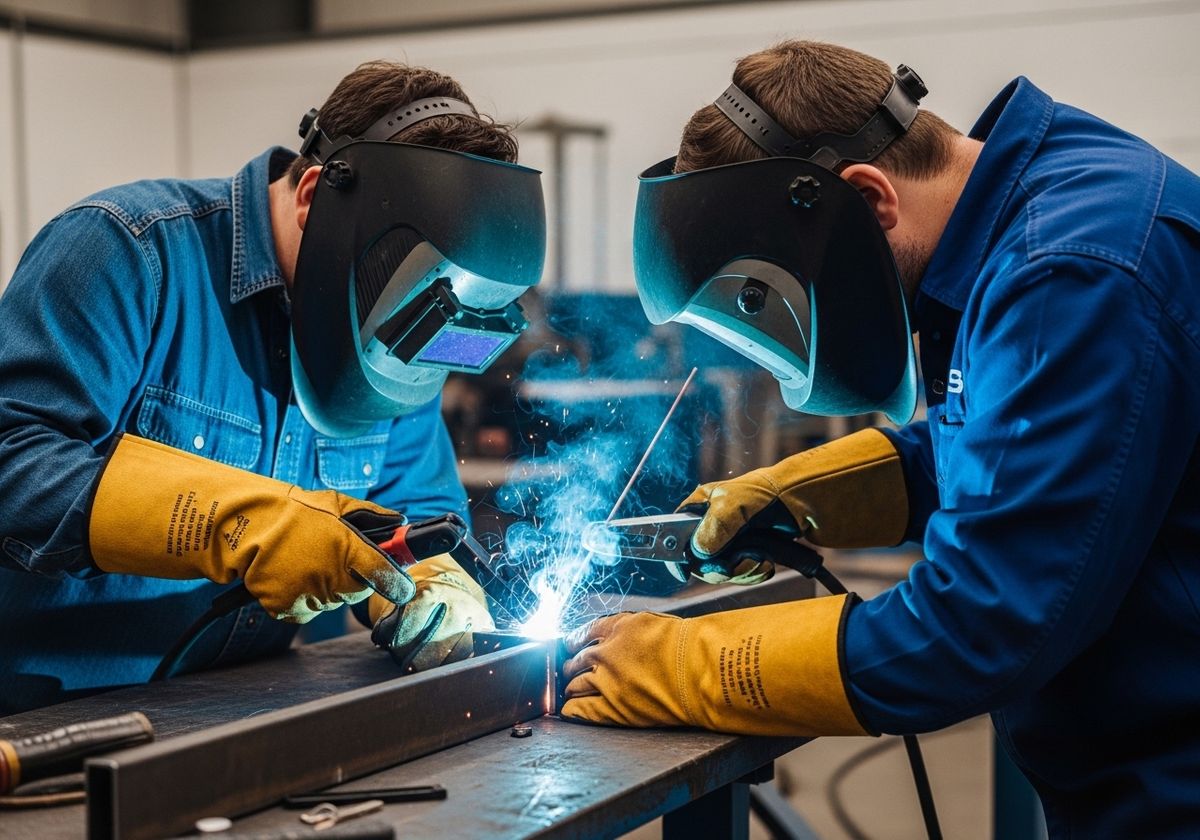
Arc blow is the deflection of the welding arc from its intended path. It's caused by magnetic fields that develop during welding, especially with DC welding. Here's how to minimize it:
Change the grounding: Move the ground clamp closer to the weld joint or try grounding to a different location on the workpiece.
Use AC welding: AC welding can help to reduce arc blow, as the magnetic fields alternate and cancel each other out.
Shorten the arc length: A shorter arc length can help to stabilize the arc and reduce deflection.
Weld towards the ground: Welding towards the ground clamp can help to counteract the magnetic forces causing arc blow.
Cracking
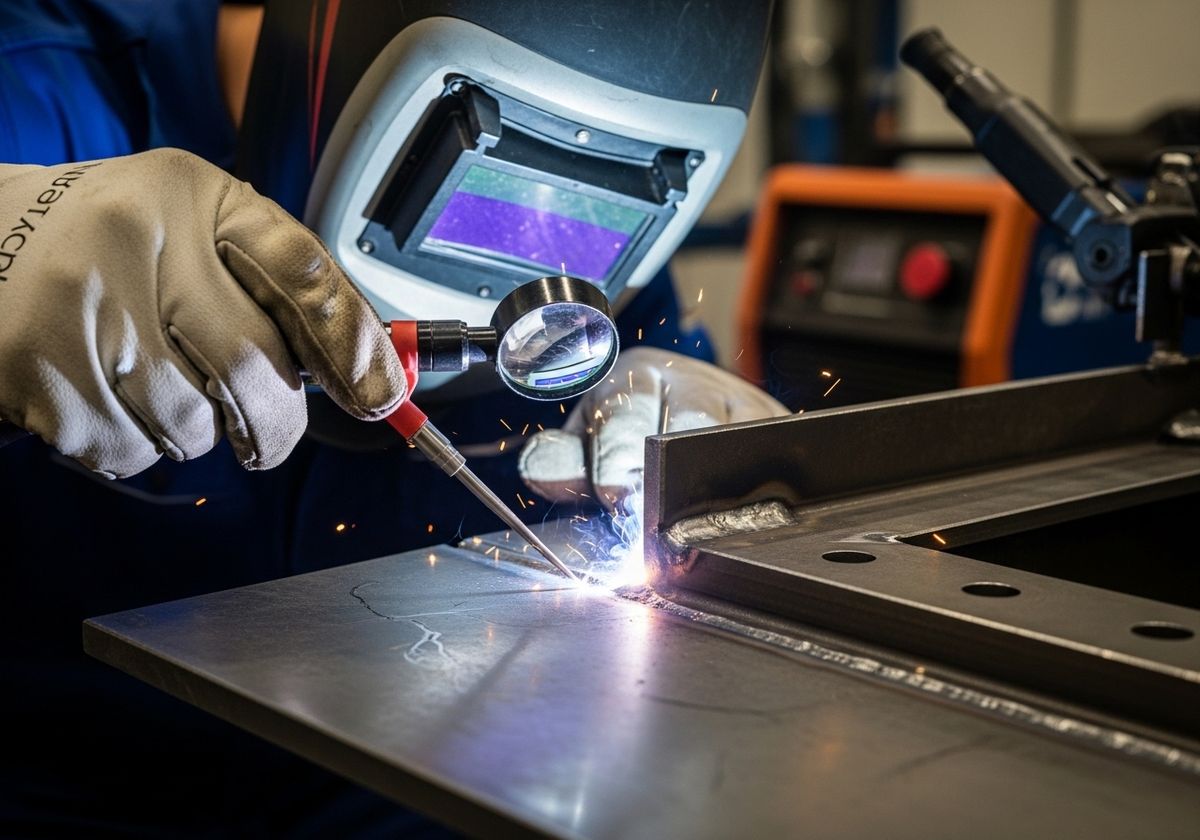
Cracking in welds can be a serious issue, as it can lead to structural failure. Several factors can contribute to cracking:
Material selection: Ensure you're using the correct filler metal for the base metal. Dissimilar metals can lead to cracking.
Preheating: Preheating the base metal can help to reduce thermal stress and prevent cracking, especially with high-carbon or alloy steels.
Welding technique: Use a proper welding technique, such as back-stepping or peening, to reduce residual stress in the weld.
Cooling rate: Control the cooling rate of the weld by using proper welding parameters and allowing the weld to cool slowly.
By understanding these common welding issues and how to troubleshoot them, you can ensure high-quality, reliable welds throughout the spring season and beyond. Remember, safety should always be your top priority. If you encounter issues you can't resolve, don't hesitate to consult with a welding expert. At Comp Air Gases, we're committed to providing expert guidance and high-quality welding supplies to help you succeed in your welding projects. Visit our welding supply shop in Pomona, CA, or contact us today for assistance with your welding needs! We are your trusted local air gas store and welding equipment for sale retailer.