
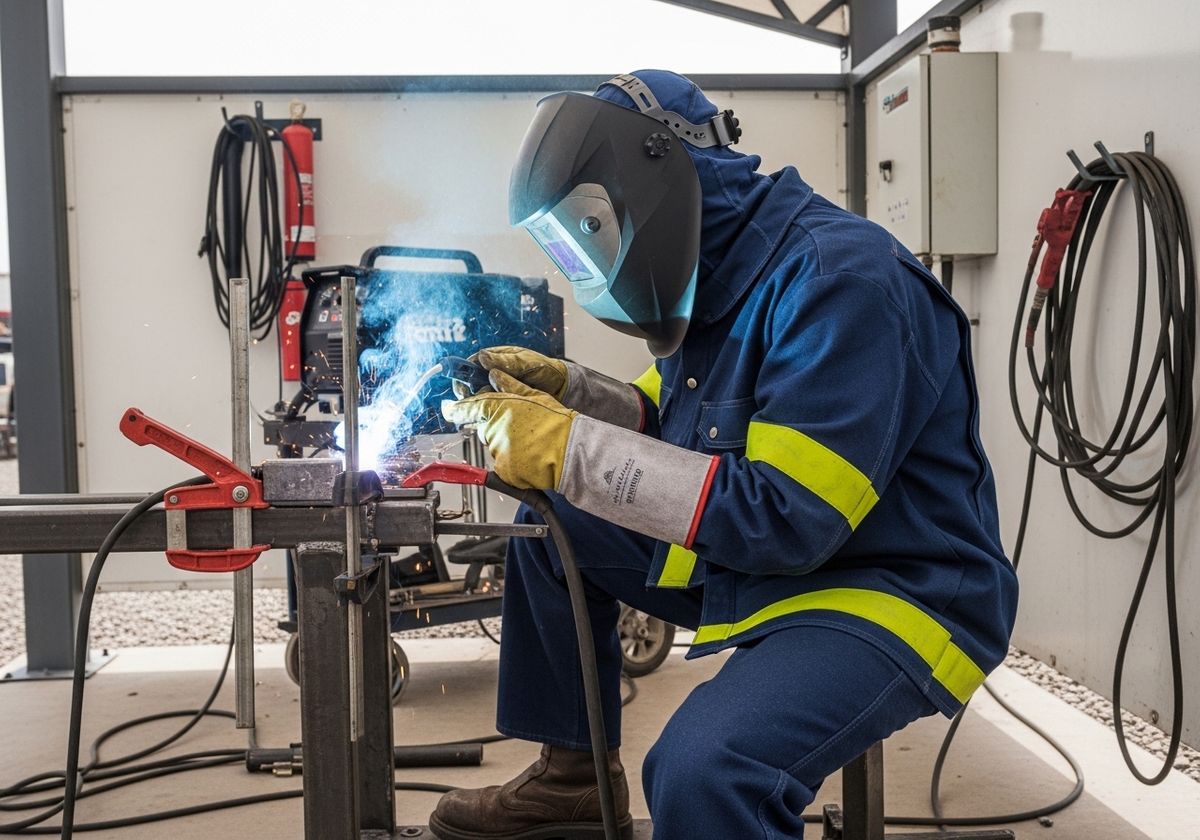
As the days get longer and temperatures rise, spring brings new opportunities for welding projects. However, it also presents unique safety challenges. Whether you're working in a shop or outdoors, it's crucial to prioritize safety to avoid accidents and injuries. Here are some essential welding safety tips to keep in mind this spring.
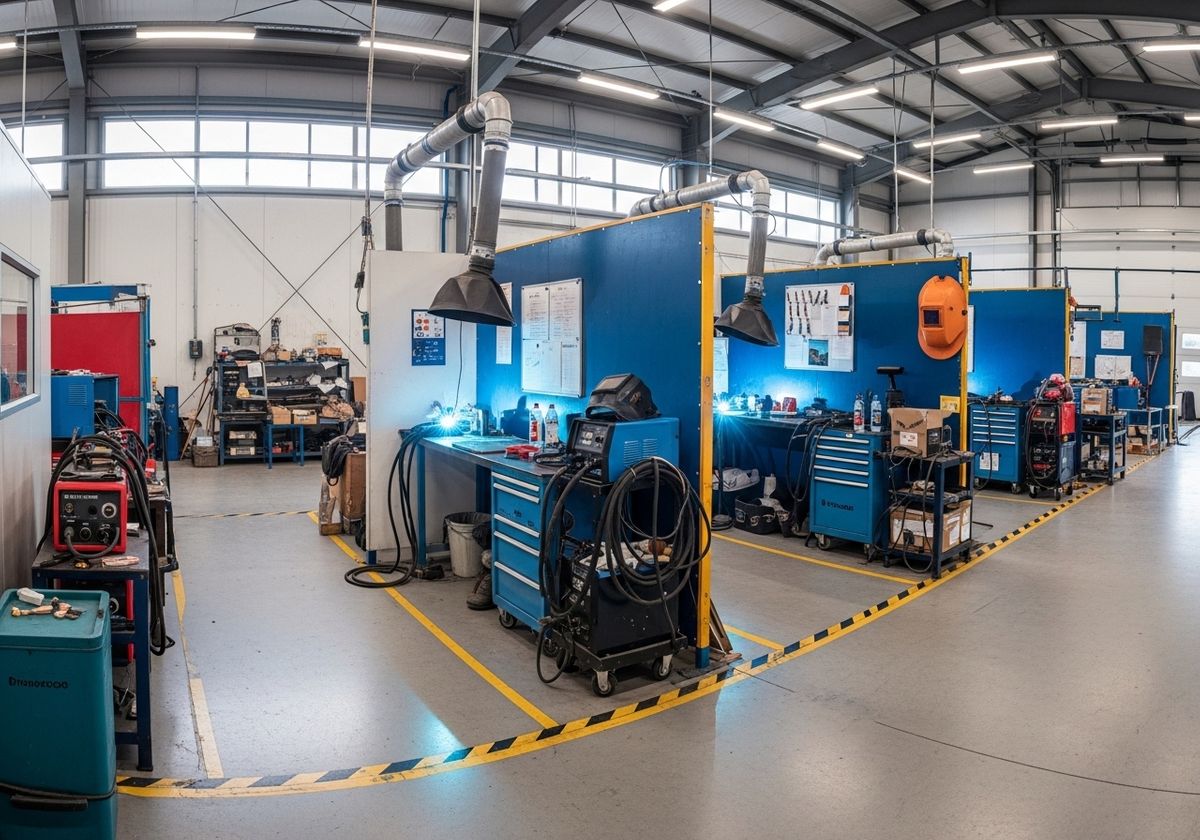
Assess Your Work Area
Before starting any welding project, take the time to thoroughly assess your work area. Ensure the space is well-ventilated to prevent the build-up of harmful fumes. Clear away any flammable materials, such as paper, wood, or chemicals, that could pose a fire hazard. Check for potential slip, trip, and fall hazards, and take steps to eliminate them.
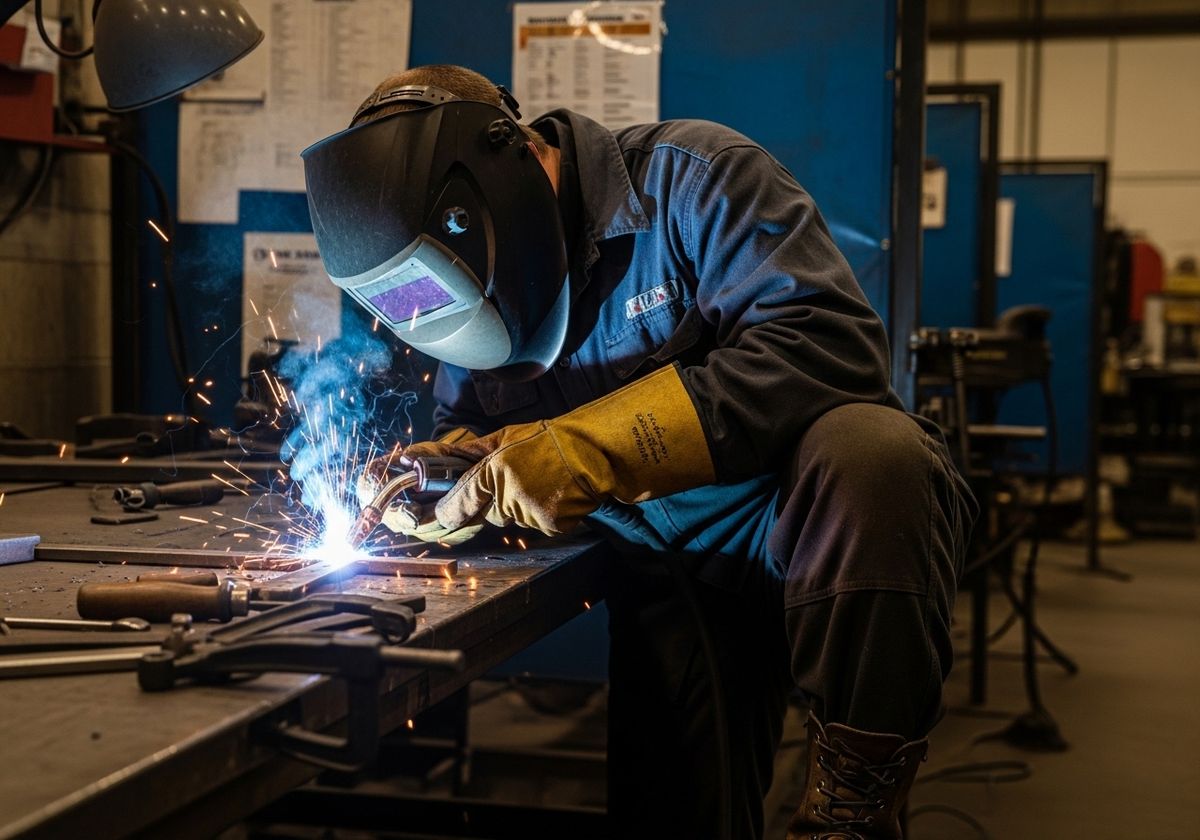
Use Proper Personal Protective Equipment (PPE)
Welding requires the use of appropriate personal protective equipment (PPE) to shield yourself from potential hazards. This includes a welding helmet with the correct shade lens to protect your eyes from arc radiation, as well as safety glasses or goggles for added eye protection. Wear flame-resistant clothing, such as a welding jacket and pants, to protect your skin from sparks and heat. Use welding gloves to protect your hands and steel-toed boots to protect your feet from falling objects and electrical hazards.
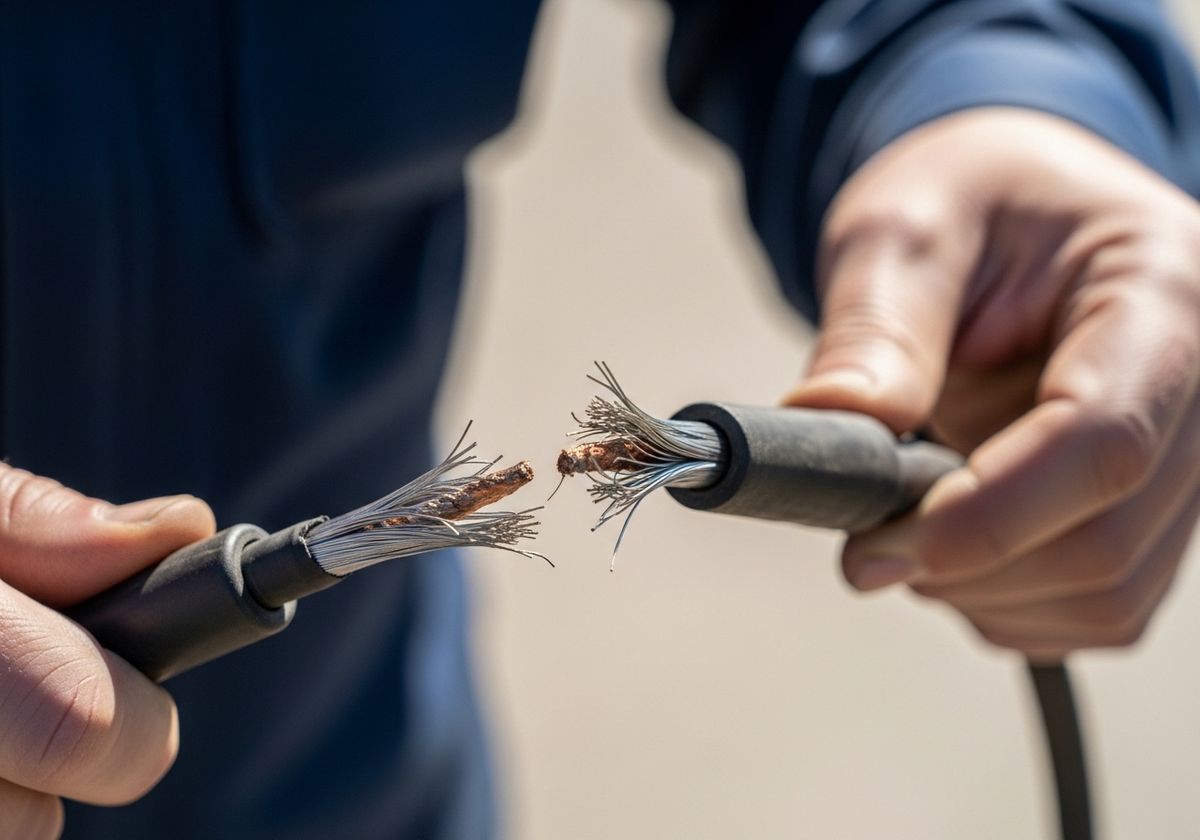
Inspect Your Welding Equipment
Regularly inspect your welding equipment to ensure it's in good working condition. Check cables for damage or wear, and replace them if necessary. Make sure all connections are tight and secure. Inspect your welding machine for any signs of damage or malfunction, and have it serviced by a qualified technician if needed. Proper equipment maintenance is essential for safe and efficient welding.
Practice Safe Welding Techniques
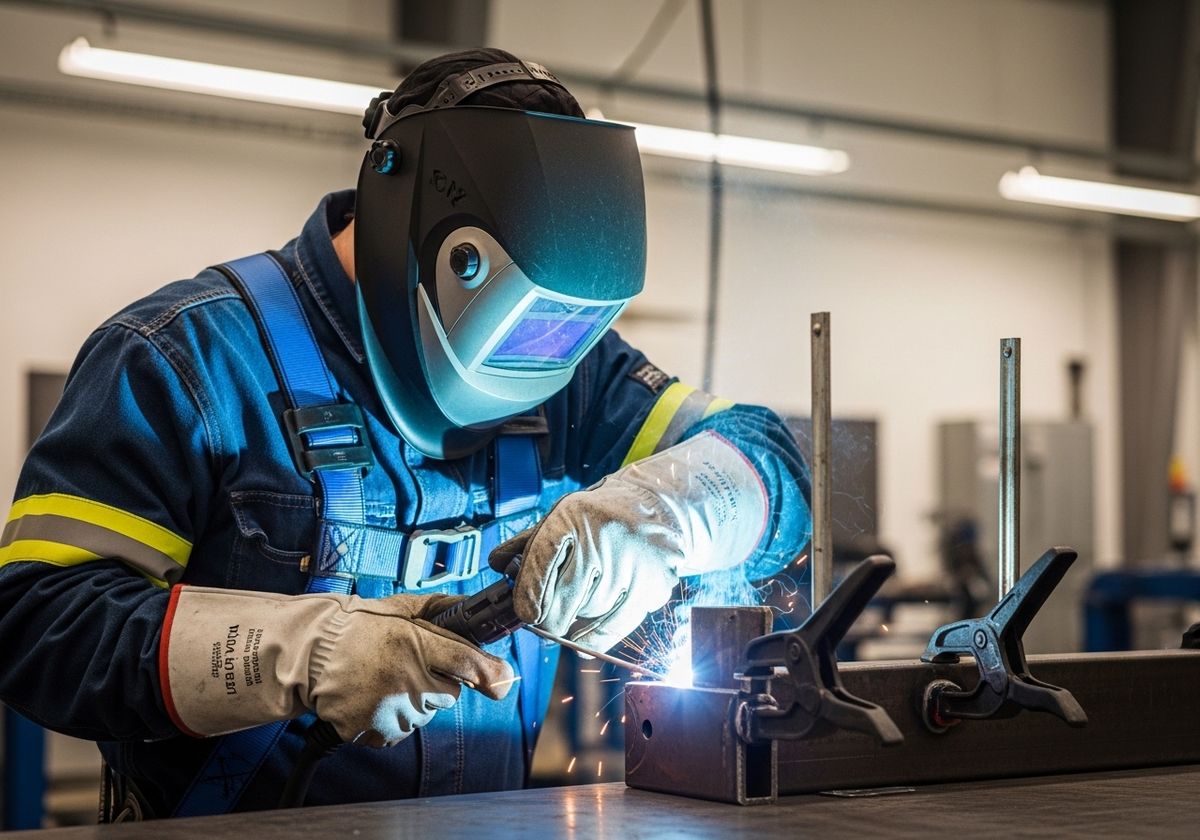
When welding, always use safe welding techniques to minimize the risk of accidents. Keep your body positioned in a way that prevents sparks or hot metal from coming into contact with your skin. Use clamps or other devices to secure your workpiece and prevent it from moving during welding. Avoid welding in damp or wet conditions, as this can increase the risk of electric shock. If you're welding in an elevated position, use fall protection equipment, such as a safety harness and lanyard.
Be Aware of Environmental Factors
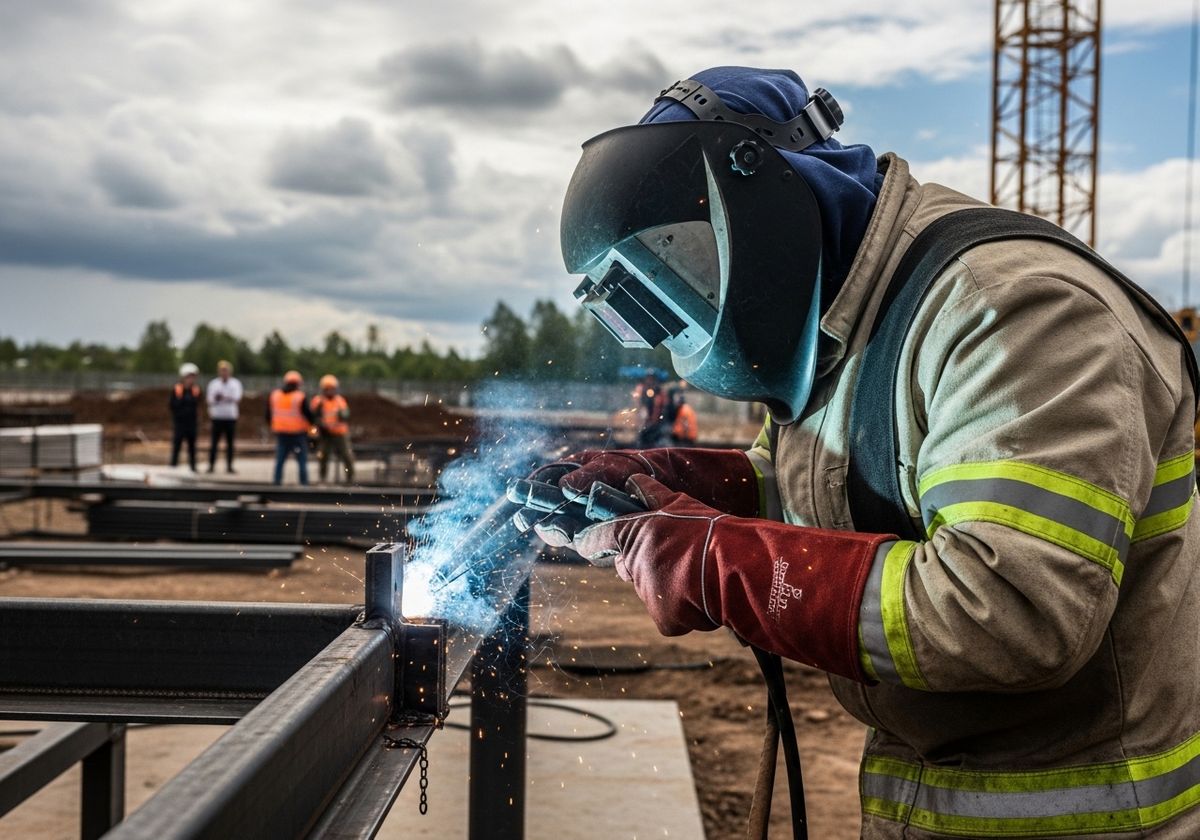
Spring weather can be unpredictable, so it's essential to be aware of environmental factors that could affect your welding safety. Avoid welding in windy conditions, as this can blow sparks and fumes into unintended areas. If you're welding outdoors, be mindful of potential hazards such as rain, snow, or lightning. Take precautions to protect yourself and your equipment from the elements.
By following these welding safety tips, you can help ensure a safe and productive spring season. Remember, safety should always be your top priority when welding. Prioritize safety this spring by ensuring your workspace and equipment are in optimal condition. For expert guidance and high-quality welding supplies, visit Comp Air Gases. We're committed to providing you with the resources you need to succeed. Contact us today or visit our welding supply store to learn more.